2006年11月27日星期一




2006年11月22日星期三
Most expected film of the year: Perfume: The Story of a Murderer

Perfume: The Story of a Murderer is a 2006 film directed by Tom Tykwer, director of "Run, Lora, Run!" The film is based on the German bestseller in 1985 by Patrick Süskind . From wikipedia about the novel:
"Perfume: The Story of a Murderer is a 1985 literary historical horror novel (originally published in German as Das Parfum) by German writer Patrick Süskind. The novel explores the sense of scent, and its relationship with the emotional meaning that scents may carry. Above all this is a story of identity, communication and the morality of the human spirit."
The story:
"His youth
Grenouille's life begins in a Parisian fish market, where his fishmonger mother gives birth to him among the stinking fish heads and scraps in one of the dirtiest places in all of Paris. She intends to dispose of his body along with the fish organs which surround his birthplace. However, her plans are thwarted when Grenouille expels a squeal so piercing that passers-by are alerted to his mother's plans and his life is saved, although his mother is sentenced to death because of her attempted infanticide. In his infanthood, Grenouille discovers his gift to isolate smells of every kind and preserve the scent in his memory, although the irony of this is is that Grenouille himself has no personal scent or odour.
Grenouille is passed from wet nurse to wet nurse, ostensibly because he drinks too much of their milk, preventing them from feeding any other children. However, the true reason for his being passed on from one nurse to another is his haunting lack of scent. This does not smell how children ought to smell stated nurse Jeanne Bussie, convinced that he was possessed by the devil. Grenouille begins to struggle with the concept of speech, particularly with the idea of ethical and moral words, which further isolates him from the rest of the human race. Eventually he develops the ability to speak, although he chooses not to; he is only able to associate words by their scent, his first word being wood. After being continually rejected from society due to his lack of odour, Grenouille finds himself in the care of Madame Gaillard, a woman who runs an orphanage for children, and who herself has lost her sense of smell since childhood, so is unable to detect his lack of odour. Grenouille grows up in the orphanage unloved and malnourished. Grenouille, isolated and outcast by his fellow race, begins to develop a disgust for his fellow humans, and distinguishes himself by his uncanny sense of smell. Grenouille begins to collect these olfactory sensations that he experiences, preserving and cataloging these scents—both good and bad—in his mental library.
At the age of 8 Grenouille is sold by Madame Gaillard to a tanner. Grenouille survives this work which can be borne by none, with his innate tenacity and resilience which likens him to a 'tick'. After he finishes working at the tannery, Grenouille begins exploring the streets of Paris in search of new scents to add to his olfactory catalogue. One evening he discovers the scent of something unknown to him, a scent so enticing he cannot help but follow it and discover its origin. He moves in and out of alleyways in search of this ungraspable scent until finally he finds it, a beautiful young girl. This is the first time in his life that Grenouille doubts his nose, for he cannot believe that such a perfect scent could come from such a member of the disgusting race humans which he had come to despise. With the intention to preserve this perfect scent he kills the girl, only to find that upon her death the beautiful scent dies as well, evaporating into the Parisian night sky. Tortured by the loss of this perfect scent, Grenouille dedicates his life to the purpose of finding this one perfect scent, and it is this greed which continues his survival.
One evening Grenouille is told by his master to deliver the tanner's skins to the famous perfumer Baldini. Grenouille sees this as a perfect opportunity to learn from a master perfumer the way to preserve smells and teach him the ways of creating scents. Baldini, with his own problems, initially rejects Grenouille when he asks for an apprenticeship, but eventually Baldini gives in and offers Grenouille the opportunity to become his apprentice, and he is astounded by Grenouille's ability to emulate the scents of perfumes in which Baldini could not, without the use of measurements or and the techniques of a perfumer. After being taught the ways of Baldini, Grenouille is soon able to create all new perfumes from those scents placed before him, which makes Baldini the most popular perfumer in all Paris. Upon attempting to isolate the scent of objects such as iron and glass, Grenouille fails, and this failure affects him greatly, leading to him falling ill with small pox. Grenouille then hears that there are other techniques besides distillation that can be used to isolate scents. Upon this news Grenouille becomes miraculously healthy once more, and leaves Baldini to pursue these new perfume production techniques in the city of Grasse, heading out into the forest, and beginning his journey in search for the perfect scent.
[edit] His journey
Shortly after the departure of Grenouille, Baldini suffers a tragic death, falling into the river in his sleep. Grenouille continues his journey into the forest he develops a greater disgust for the human race, finding himself repulsed by the scent of human existence and trying to avoid the scent of humankind wherever he goes. This eventually leads him to a cave atop a volcanic mountain, the Plomb du Cantal where the human scent is most distant from the nose of Grenouille. For seven years he stays at this place and becomes intoxicated with the smells which he preserves in his internal "palace of the smells". One day he awakens from a nightmare in which he sees himself suffocating in his own smell. After this dream he soon begins to realise that he himself possesses no personal scent, which distresses him. After this, he comes upon an inhabited area where he tells its inhabitants he had been held prisoner by robbers in a foxhole. A researcher in the town chooses to demonstrate his new theory of scents on Grenouille, which causes him to faint as a result of the scent emitted. As a result Grenouille is able to create his own scent through primitive means which emulates his own human smell. Grenouille soon finds that upon creating his own scent, he is accepted by society. But Grenouille doesn't want acceptance, he wants to have power and be able to manipulate those within the world that disgust him so much. He then leaves the town and makes his way to Grasse, his true target, where with Madame Arnulfi and her journeyman he learns new procedures in the production of perfume. When walking through the town he picks up the scent of the the girl he desired so much and who he murdered back in Paris. He follows the scent and finds a girl still at the beginning of her development. After discovering her he decides that he will wait until the girl has matured her scent, at which stage he will return to reclaim it.
After some time there is an air of terror in the town. A murderer has been on the loose killing the town's most beautiful girls, even in their houses, leaving them naked with all their hair cut off. Twenty four murders later, rich businessman Antoine Richis, sees the pattern and realizes that his beautiful daughter Laure is to be the next victim of the murderer. Antoine flees the town with his daughter Laure, but Grenouille—the murderer—soon catches their scent and follows them. Finally he kills Laure in an inn, and captures her scent just like the other twenty four girls.
[edit] His end
Grenouille is able to be identified as the murderer on the basis of witnesses' statements. Upon his execution day, thousands wait tensely for the spectacle. However, when Grenouille appears, he is surprisingly confronted with the love by all and is revered, rather than hated, in contrast to with previous day in which the people wanted to see him dead. This is due to the perfume made from the women's smells, which surrounds him like a divine aura. Grenouille is pardoned for his crimes, and Richis even wants to adopt him. But the experience of the power has dissatisfied Grenouille, because it is not he that is loved, but the perfume which he created that is loved, so he decides to return to Paris upon finding that the satisfaction that he initially felt has transformed itself into hatred and disgust. In Paris Grenouille approaches a group of people and they accept him. After he has deliberately overdosed himself with the perfume he created, and while among the group, the effect is so overpowering that they want to hold him as an angel and own a piece of him, at which point they tear him to pieces and eat his remains."
The film will be open on Dec 27, 2006 in U.S. (comments from New York Times http://movies2.nytimes.com/gst/movies/movie.html?v_id=325005) and its illegal version is in China now (http://www.sohoxiaobao.com/chinese/bbs/blog.asp?id=6278).
2006年11月19日星期日
Day By Day, Night By Night
[unauthorized version from my friend who is volunteering in Ethiopia ]
在初到亚的斯的日子里,我和我的男朋友几乎每天都要做一些步行。这不仅是帮助我们消化酒店里那不合中国人口味的大块牛排,也是我们(我相信)从现在到未来一年里在这里的基本生活方式。我们对照地图,计划了一些参观项目(如纪念碑、体育场、动物园、大学、火车站),但因为时间上的被动,大部分还未成行。
但走路,目的不甚明确的步行,仍然帮助我们获取了对此地的大部分印象。每天我都会整理我的数码相册,总有惊喜。最开始住的酒店Ras Hotel,它那高高的屋顶、拱型走廊、明暗不定的大堂,总让我想起《牙买加旅店》之类的小说,我们围着它着实拍了两天。巨大的狮子标本、沿旋转楼梯(这是中国所没有的)拾阶而上看到的大幅民俗油画……只要环顾四周,就不断有新的发现。直到有一天侍者告诉我这里为意大利人所建,在(大概)二战时期曾经是囚禁本地人的监狱,我好象发现了这个国家过去的一个秘密。还有一天,在前台昏黄的灯光下拍摄女接待,我第一次找到把黑色皮肤衬托得更美丽的颜色和光效。
在我男朋友暂住的酒店里,一开始他病了一场,他说一生中他从未感到那么难受过。但这不妨碍我每次造访他时,他指给我看窗外的好玩意。Harambee酒店的窗外(现在我仍不能说清方向)是个小公园。从6层俯瞰出去,正是鹰的家。他病得昏昏沉沉时,小小的房间里只有我守在他身旁,但当窗外的静默中传来鸟叫声时,我俯身告诉他:“鹰下班回家了。”他的脸上仍艰难地浮出一个笑容。虽然窗帘拉得很严,但我知道兰色的夜色慢慢浮上来了,对面山上喜来登酒店必然如旧时神秘官邸一样灯火通明。后来我也搬到Harambee了,在晴好的上午,我们在餐厅里邂逅一只大黑白疣猴——Guga,她在镜子里左照右照,又说话又握手,我们为她鼓掌欢呼,为我们只在电视里见过的神奇的非洲野生动物。她也是小公园花树下的住户,从此我们每天路过窗户时都会寻找她戴黑帽的身影。
我们每天背着很大的包出门,里面有外套、水和字典。白天,这里的阳光很烤人,风一刮起来却非常凉爽。我走在汽车轰鸣、尾气和塑料袋污染严重的街道上,看到亚的斯是跟世界上(包括中国)很多地区一样——欠发达的城市。人们的衣着不那么鲜艳和时尚,各种轻工业物品质量看上去不那么好。能看到一些行动不便的残疾人,我不知他们是得了什么样的疾病。还有在酒店附近卖”Tissue”的孩子,在车辆中灵活地穿行,漂亮的容颜。到哪儿都有人跟你搭话,“China!nihao!”,人们对中国的热衷、友好和了解是来之前我最意想不到的。在超市和商店里,我第一次发现在过去30年里,我每天使用的食品和日用品是那样物美价廉,我想起我的美国朋友在中国时说,听到我们小时每天只能吃一个鸡蛋,才知道她自己是生长在多么幸福的地方。自豪,是的,但我并不觉得人和人之间有什么差别。在网吧里,上网速度非常之慢,年轻的管理员问我“你生气吗?”我回答说,“不,这种情况跟几年前的中国是一样的。”他以为我在开玩笑。没有,我看到我即将为之工作的报纸上,除了政治要闻和广告,全部是各种关于发展的信息。各个国家发展的基本领域,都在投入资金进行建设。我不懂经济和政治,但我不认为不发达的就是坏的。我们到这里来,不就是想和这里的人们一起找到适合此地发展的秘诀吗?说到人,作为一个50个人的志愿者工作队的队员,我在本地依然脱离不了与本国人的关联。我看到有些同伴在面对工作困难时的退缩,他们甚至采取在中国的很多地方依然流行的行贿方式,我一点不惊讶。但当我听到本地官员也在向志愿者收贿,我感到报纸上头版谈论的腐败问题真的如世界其他流行元素一样已经在埃塞生根。腐败,如同疾病和贫穷,是我们所有人努力清除的地球垃圾。
我在中国的同学朋友这些天都会问我,你们吃什么?安全吗?我想起我看到日光下努力建设自身的城市,我回答——除了5小时时差,“这里”和“那里”没有“那么”大的区别。然而,我们的步行更多是在天色擦黑、没有什么任务的时候进行的,在暮霭沉沉中,我们一点一滴继续探索着这个城市的奥秘。
在国家剧院门口,我们看到两端走廊上都排起长龙等待入场。作为电影专业的毕业生,我们知道了本地语影片是这样受欢迎,多让中国电影人羡慕!在火车站附近,我们本来是要打探乘火车出游的可能性,却看到了昏暗的路灯下等车的长队。原来还有这么多人,和在我的家乡北京一样,需要经过辛苦的周折才能回家吃上饭。我们看着站牌上阿姆哈拉语的字母小人跳舞,猜测着最远的路途需要走多长时间。在这里,我没有能力分辨人的阶层和职业,但是在挺有风情的小咖啡店里,我想我看到了我挺熟悉的人群——office lady,在一天严肃的工作后,她们把自己的夜生活安排得井井有条。在附近的街道上,我们在清真寺宏伟美丽的颂经声中拍下了松枝掩映下的非洲月色,也走进过天主教堂。人们说信教的地区民风淳朴,我想也许还有经济不甚发达的因素,就如20多年前的北京。不管什么原因,淳朴的笑容温暖了异乡人的心,我有时好象回到自己那物质不甚发达的童年。
前几天晚上,我们从中餐馆回酒店的路上,遇到一条被车撞伤的小狗。待我用纸巾给小狗擦完鼻子里的血抬起头,才发现周围站满附近的小流浪儿。小狗疼得哭鼻子,小流浪儿用结巴的英语给我们介绍她的身世。我忽然感到羞赧——因为你肯定可以理解的原因。当我们转身离开时,令我意外的事发生了:其中一个年纪较长的少年微微点头,恭敬地向我们说了声“Thank you”——啊,这是我幼时看的德国电影《英俊少年》里那个少年的忠诚,是从古至今十几岁少年特有的忠诚!
直到出发前的最后一天,“去非洲”对我依然像个遥远的梦。在抵达后最初的某一天傍晚,我睡了一下午觉后起床,听到附近街道里传来足球赛的欢呼声。我走到窗前,看到外面堆着杂物的民居后院、错落的楼房,月亮正在升起,我才相信世界的这里和那里真的没有那么大的区别。我没有离家的感觉,相反,因为在完全陌生的环境里而感到放松自在。日以继夜,在每天的步行、工作以及其他“行动”中,梦想变成现实。
殊途同归

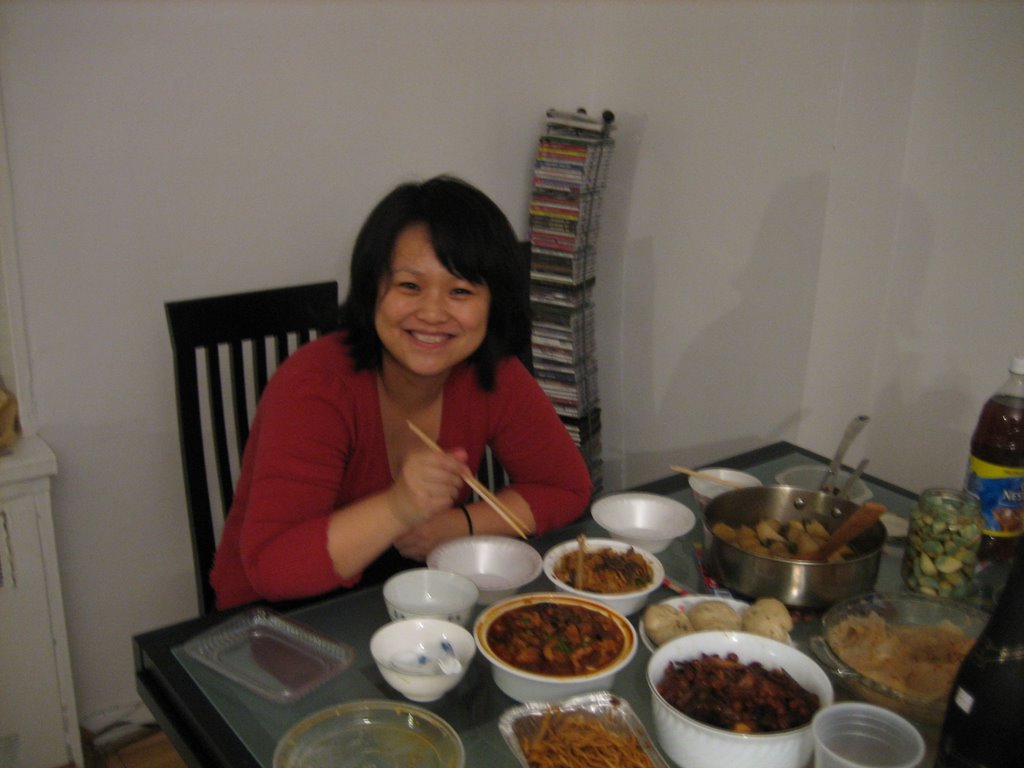
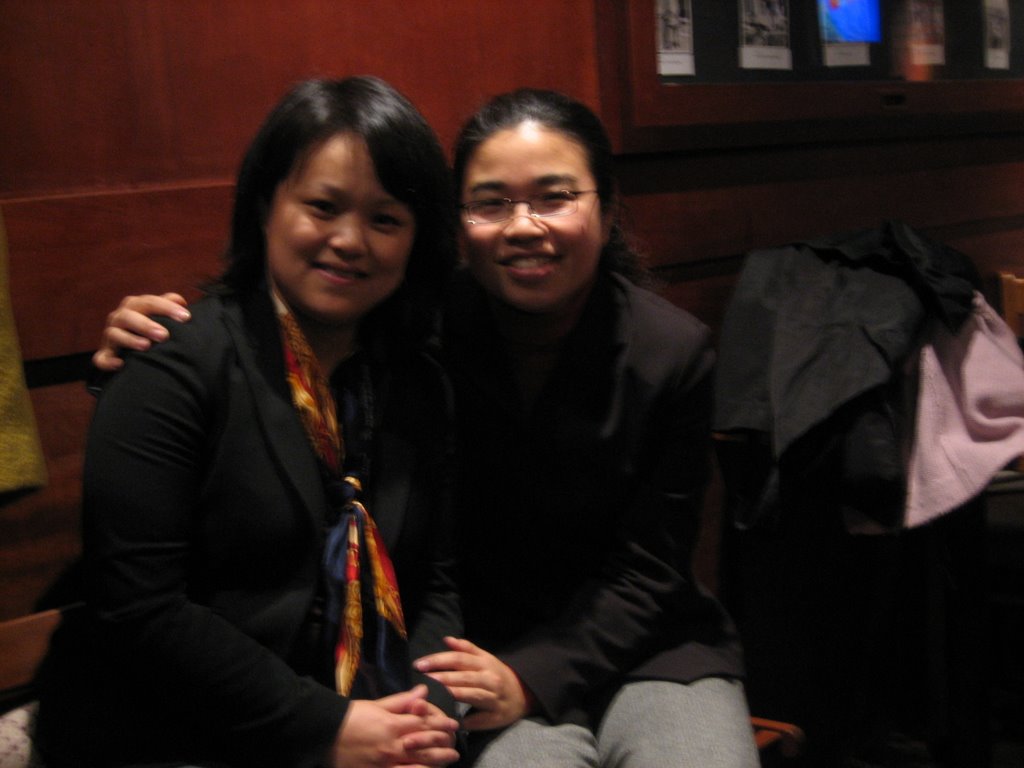
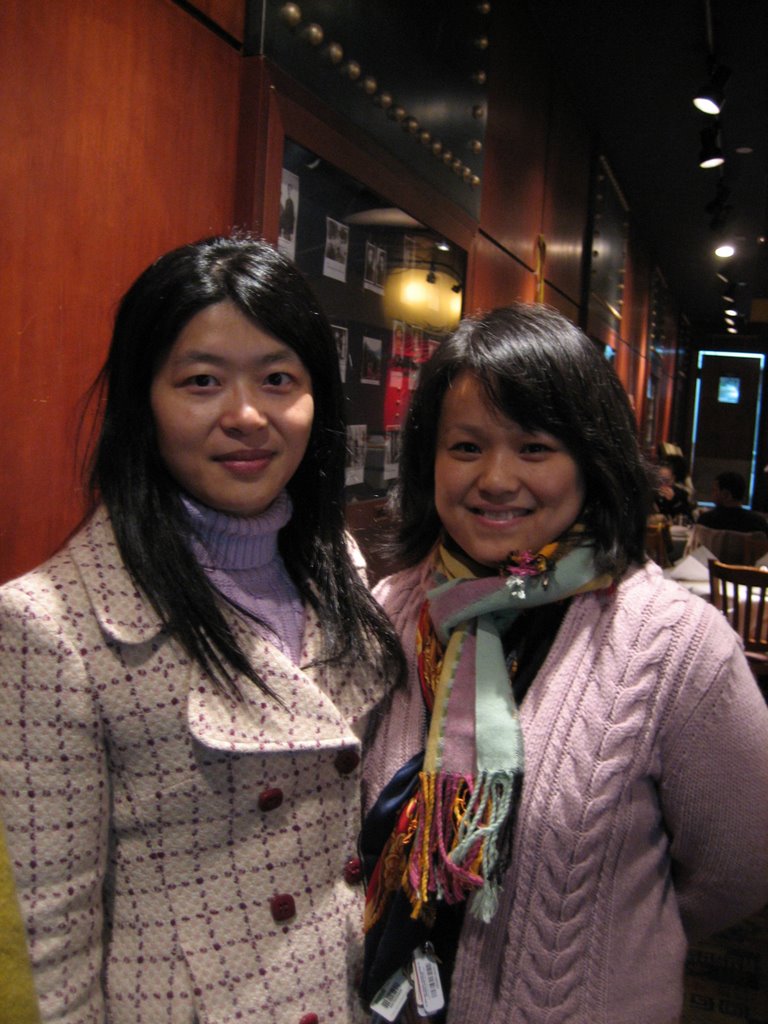
有的时候不得不感慨造化弄人,本来从一个学校出来,因为上了不同的大学,选择了不同的专业,走上了不同的道路。若干年后,发现大家都在美国学和教育有关的专业。18 年过去了,张辉现在UCLA 学习教育的文化基础(cultural foundation of education), 徐岚在宾西法尼亚大学学习双语教学,我和赖芳从经济学院毕业以后,不约而同的选择了教育经济学作为自己研究的方向。今天的聚会是在赖芳的家里,她的妈妈正是我们中学的校长。这些巧合让我们唏嘘不已,谁说我们中学所接受的教育对我们没有影响?看到我们都走上了教育的道路,不知道毛校长是不是感到很欣慰?
早先的时候看过一本苏联的小说马卡连柯撰写的 《教育诗》,影响很深。“马卡连柯撰写《教育诗》之时,正值他担任高尔基儿童劳动教养院和捷尔任斯基公社的工作。他根据自己和流浪儿童实际接触的切身体会,分析研究了各类犯罪儿童不同的心理情绪和生命烙印,经过长期的教育实践和艰苦复杂的创作过程,以诗一般的激情创作而成,是一部优美而动人的教育工作记录。” 我们对于中学生活的回忆还构不成一部教育诗,但是那六年的生活的确塑造了我们对于学业、生活和未来的许多看法。虽然现在很多的想法都改变了,但是不曾改变的是从那时开始培养的对于自己的怀疑态度和自信。勤奋、严谨、求实、创新,这八个字的校训仍然是我们的座右铭。
我从来没有想到过自己会以教育作为自己的职业,但是最近几天来考虑未来工作的问题,却越来越把自己的未来和教育事业联系在一起。我现在问自己的问题是:我是不是适合教师这个职业?我会不会是一个好的研究型的教师?我是不是非如此不可? 这些问题的答案我也不知道,但是我希望能通过对自己的反思和对于工作机会的了解找到答案。






2006年11月17日星期五
《锁麟囊》唱词辑录

春秋亭外风雨暴,何处悲声破寂寥。隔帘只见一花轿,想必是新婚渡鹊桥。吉日良辰当欢笑,为什么鲛珠化泪抛?此时却又明白了,世上何尝尽富豪。也有饥寒悲怀抱,也有失意痛哭嚎啕。轿内的人儿弹别调,必有隐情在心潮。
一霎时把七情俱已昧尽,渗透了酸辛处泪湿衣襟。我只道铁富贵一生铸定,又谁知人生数顷刻分明。想当年我也曾撒娇使性,到今朝那怕我不信前尘。这也是老天爷一番教训,他教我收余恨、免娇嗔、 且自新、改性情、休恋逝水、苦海回生、早悟兰因。可怜我平地里遭此贫困,遭此贫困,我的儿啊! 把麟儿误作了自己的宁馨。
这才是人生难预料,不想团圆在今朝。回首繁华如梦渺,残生一线付惊涛。莫在痴嗔休啼笑,教导器儿多勤劳。今日相逢得此报,愧我当初赠木桃。
Where the Truth Lies

昨天晚上看了一部NC17的片子Where the Truth Lies,这是我所喜爱的电影导演Atom Egoyan的新片。他之前拍摄的Ararat我以前也介绍过。但是这部电影真得很怪。
根据wikipedia的介绍:“In 1957, a girl is found dead in the hotel room of a Martin & Lewis-like comedy team. Both had alibis and neither was accused, although the death breaks up the act. Years later, a young journalist (Lohman) tries to find out the truth behind the breakup. She becomes sexually involved under false pretenses with one of the comedians, Lanny Morris (Bacon), while pursuing an interview with the other, Vince Collins (Firth), who manipulates her with sex and drugs in order to keep her from reporting what she knows, and from finding out more. When she finally puts all the pieces together, however, she finds out more than she was expecting to.”
电影里Alison Lohman 饰演的Karen O'Connor带着问题去采访Vince Collins ,想了解Maureen O'Flaherty之死的真相。之后她又和她自己的偶像Lanny Morris 发生了关系。虽然Vince Collins 和Lanny Morris 都对Maureen O'Flaherty的死负有责任,但是最后证明是Lanny 的助手杀了人。这两个男人,因为拒绝承认他们之间的爱情 (Lanny:“We love each other, but we are not queers.”),而不得不分道扬镳了。影片对此的处理非常别扭,而且女记者Karen超强的逻辑推理和判断能力使人怀疑她是不是福尔莫斯转世。
影片所要讲的是没有绝对的真实,每个人的回忆都经过他们自己有意识或者无意识的加工。所谓追寻事实的真相,不如说追寻每个人提供不同说法的原因和目的。这样刨根问底找到的东西,往往是An Inconvenient Truth。影片的结尾处,导演笼统地责任推给观众,“好了,我的故事就是这样了,你们自己去解释吧”。这与此前Atom Egoyan拍摄的有关他的故乡亚美尼亚的Ararat截然不同,在那个电影里,虽然最后影片的主人公也没有找到大屠杀的真相,但是他寻找的过程也是成长的过程,很值得回味。这部电影显然是按好莱坞“八荣八耻”的标准拍摄的,以为有了悬念、色情和暴力就能吸引观众,结果因为有threesome 的情节和同性恋的情节,被评为了NC17级别。这对于商业影片来说,是票房的死亡之吻。难怪影评都不看好此片,票房也是惨败。Critical responses were similarly harsh; among other critics, BBCi panned it for "strained storytelling" , while Rolling Stone called it a "monumental misfire" and compared it with the infamous flop Showgirls。
p.s. All the NC17 movies only can be shown after 12:00am on TV. Do TV station know that young people go to bed later than their parents?
2006年11月16日星期四
Il barbiere di Siviglia
 This November was not normal, the temparature stayed around 15 to 18 degrees and there was no sign of snowing whatsoever. The constant rain and warm weather really made me uneasy and I decided to go to see The Barber of Seville to smooth my feeling. Although I have booked a ticket for next March for this performance, but I really wish to see it now. It has became a critically acclaimed new production of Met for this season, which has not been performed for 25 years. Plus, it is refered to as a Divine Comedy, which I need most at this tricky point of my life.
According to Wikipedia: "The Barber of Seville (Il barbiere di Siviglia) is a comic opera in two acts by Gioacchino Rossini with a libretto (based on Beaumarchais's comedy Le Barbier de Séville) by Cesare Sterbini. This opera follows the first of the plays from the Figaro trilogy, by French playwright Pierre Augustin Caron de Beaumarchais. The original Beaumarchais version was first performed in 1775, in Paris at the Comédie Française at the Tuileries Palace."
This season at Met "the greatest Rossini tenor of our time, Juan Diego Flórez, sings the role of Count Almaviva in The Met’s first new Barbiere in 25 years. Diana Damrau and Joyce DiDonato share the role of Rosina, Peter Mattei is Figaro, Samuel Ramey is Don Basilio and John Del Carlo sings the role of the hapless Dr. Bartolo. Directed by Bartlett Sher and designed by Michael Yeargan (both of the Tony Award®-winning The Light in the Piazza), this is a Barbiere that is light on its feet, with mobile sets that allow the comic action to swirl from stage to audience and back again. Maurizio Benini conducts."
The amazing thing about this opera is that you know it is a comic, but it makes you laugh without any burden. Dr. Bartolo is certainly the hopeless laughstock of the story, however, his simple and stupic plots makes him even loveable. Peter Mattei's Figaro is very impressive, in terms of vocal part and his performance. I even think he could make a great Méphistophélès in Faust, even though he is a baritone, not a bass. The show-off of the play is Juan Diego Flórez, the Rossini tenor of our time. Flórez is a native of Peru and a son of folk musician. As for the title role he has played for 13 years, he commented: “You have to sing it fast!” says Juan Diego Flórez of Rossini’s quicksilver coloratura. “Otherwise, it’s not exciting." He points out that it’s not Rossini’s tricky fireworks that most appeal to him but rather the vocal elegance that underlies the crowd-pleasing display. “I like the refinement of it, the musicality of it,” he explains of Rossini’s vocal lines. “For me, Bach and Haydn and Mozart and Rossini are all part of the same style. The melody, the line—that’s very important for me.”
《塞韦利亚的理发师》总是让我联想到达里奥.福的《一个无政府主义者的意外死亡》。在《意外死亡》里,一切都是赤裸裸的,警察和被关押的无政府主义者的地位和关系一目了然。《塞》表面上是一出喜剧和爱情故事,但是其中充满了权力和反抗,包括男性和女性的冲突(Dr. Bartolo 和罗西娜),不同阶层之间的冲突(费加罗和Dr. Bartolo ),年轻和年老者的冲突 (Count Almaviva 和Dr. Bartolo )。但是这些权力关系潜藏在诙谐的表层之下,只有到了山穷水尽,故事无法继续的时候,Rossini 才不得不把个人的身份挑明,使冲突得到解决。故事的结果固然是皆大欢喜,其实也不过是拥有权力者的胜利。罗西那到底爱的是Count Almaviva 还是穷光蛋Lindoro,恐怕连她自己也不清楚。 哎,难得糊涂吧!
This November was not normal, the temparature stayed around 15 to 18 degrees and there was no sign of snowing whatsoever. The constant rain and warm weather really made me uneasy and I decided to go to see The Barber of Seville to smooth my feeling. Although I have booked a ticket for next March for this performance, but I really wish to see it now. It has became a critically acclaimed new production of Met for this season, which has not been performed for 25 years. Plus, it is refered to as a Divine Comedy, which I need most at this tricky point of my life.
According to Wikipedia: "The Barber of Seville (Il barbiere di Siviglia) is a comic opera in two acts by Gioacchino Rossini with a libretto (based on Beaumarchais's comedy Le Barbier de Séville) by Cesare Sterbini. This opera follows the first of the plays from the Figaro trilogy, by French playwright Pierre Augustin Caron de Beaumarchais. The original Beaumarchais version was first performed in 1775, in Paris at the Comédie Française at the Tuileries Palace."
This season at Met "the greatest Rossini tenor of our time, Juan Diego Flórez, sings the role of Count Almaviva in The Met’s first new Barbiere in 25 years. Diana Damrau and Joyce DiDonato share the role of Rosina, Peter Mattei is Figaro, Samuel Ramey is Don Basilio and John Del Carlo sings the role of the hapless Dr. Bartolo. Directed by Bartlett Sher and designed by Michael Yeargan (both of the Tony Award®-winning The Light in the Piazza), this is a Barbiere that is light on its feet, with mobile sets that allow the comic action to swirl from stage to audience and back again. Maurizio Benini conducts."
The amazing thing about this opera is that you know it is a comic, but it makes you laugh without any burden. Dr. Bartolo is certainly the hopeless laughstock of the story, however, his simple and stupic plots makes him even loveable. Peter Mattei's Figaro is very impressive, in terms of vocal part and his performance. I even think he could make a great Méphistophélès in Faust, even though he is a baritone, not a bass. The show-off of the play is Juan Diego Flórez, the Rossini tenor of our time. Flórez is a native of Peru and a son of folk musician. As for the title role he has played for 13 years, he commented: “You have to sing it fast!” says Juan Diego Flórez of Rossini’s quicksilver coloratura. “Otherwise, it’s not exciting." He points out that it’s not Rossini’s tricky fireworks that most appeal to him but rather the vocal elegance that underlies the crowd-pleasing display. “I like the refinement of it, the musicality of it,” he explains of Rossini’s vocal lines. “For me, Bach and Haydn and Mozart and Rossini are all part of the same style. The melody, the line—that’s very important for me.”
《塞韦利亚的理发师》总是让我联想到达里奥.福的《一个无政府主义者的意外死亡》。在《意外死亡》里,一切都是赤裸裸的,警察和被关押的无政府主义者的地位和关系一目了然。《塞》表面上是一出喜剧和爱情故事,但是其中充满了权力和反抗,包括男性和女性的冲突(Dr. Bartolo 和罗西娜),不同阶层之间的冲突(费加罗和Dr. Bartolo ),年轻和年老者的冲突 (Count Almaviva 和Dr. Bartolo )。但是这些权力关系潜藏在诙谐的表层之下,只有到了山穷水尽,故事无法继续的时候,Rossini 才不得不把个人的身份挑明,使冲突得到解决。故事的结果固然是皆大欢喜,其实也不过是拥有权力者的胜利。罗西那到底爱的是Count Almaviva 还是穷光蛋Lindoro,恐怕连她自己也不清楚。 哎,难得糊涂吧!
2006年11月14日星期二





2006年11月12日星期日


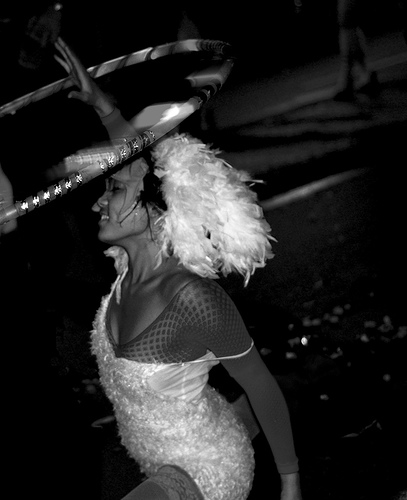
谭盾 from Columbia with love

Many people talk about Met's new production by Tan Dun, The First Emperor. Here is the introduction from Met's website:
"In what promises to be the most elaborate Met production since War & Peace, composer Tan Dun (Crouching Tiger, Hidden Dragon and Symphony 1997: Heaven Earth Mankind) creates an epic new opera set in the ancient court of Qin Shi Huangdi, the First Emperor of China. Plácido Domingo sings the role of the Emperor who unites China and builds the Great Wall. Paul Groves is Gao Jianli, the court composer who defies him and seduces Yueyang, the Emperor’s daughter, sung by Elizabeth Futral. The production team includes China’s leading film director, Zhang Yimou (House of Flying Daggers and Hero), and Academy Award®-winning costume designer Emi Wada (Akira Kurosawa’s Ran). Ha Jin, the National Book Award-winning novelist, is the co-author of the English language libretto."
故事的情节和中文版的《刺秦》没有什么大的差别,只是鬼佬代替葛优和许晴出演了高渐离和乐阳公主。秦始皇也从姜文变成了多明戈。张艺谋的到导演,哈金的台词,加上谭盾的音乐,大都会歌剧院也算是网罗了中国文化界的大小名家了。整个故事和谭盾之前的《茶》差不多,男人间的恩怨和男女间的缠绵,最后由女人的牺牲结束。多么的男性中心主义,怎么也没人批评一下?看了网上的介绍(http://www.tandunonline.com/Composition/composition.asp?id=53&s=3),怎么看怎么都觉得这是谭盾和张艺谋一起在恶搞中国文化,按照好莱坞的模式创造美国人需要的异国情调。故事里有暴力,有色情(好像中国以前的公主都比较开放,在《茶》里兰公主和日本王子Seikyo激情出演,在《秦始皇》里乐阳公主和高渐离不能自己,在《粉色》里金瓶梅中的角色粉墨登场),有特别效果,有大牌明星,由名导演和作曲家和小说家制作,作为观众的你还想要什么?我真不知道自己该不该去看,如果去了,恐怕最后的结果和《皇帝的新装》差不多,其他观众都叫好,你到底叫不叫呢?叫了,也许有点违心;不叫,好像你没看懂。
普契尼大概是第一个具有东方情节的作曲家,他写了《图兰多特》和《蝴蝶夫人》,把所谓的东方情调引入了歌剧的舞台。但是他的“东方”是典型的西方中心主义者眼中的东方世界,古老、神秘、落后、迷信,充满了非理性的爱恨情仇和神话故事,是不可理喻的世界。所以它才迷人和绚烂,因为它的“不同”,因为它与西方世界的距离。西方人对于东方世界的迷恋出于这种“主动的误解”(朱青生)。但是今天谭盾和张艺谋们所作的,不是清理和消弭这些主动的误解,而是把西方的观众引到了一个更深的误解之中。这些前卫的艺术家宣称,嘻嘻,东方其实就是你们想象的那样,既然你们喜欢,我们就生产更多的、类似的“神话”来!
其实这些艺术家的行为不难理解。 以谭盾为例,他的多数作品都是由西方的歌剧院或者艺术赞助机构订购的,所以他要为他们生产艺术的产品。对于成功的前“前卫艺术家“来说 (80年代他们可是开中国文化风气之先的人),他们的行为受到他们在60-70年代所接受的意识形态教育和西方艺术市场经济所要求的影响,有趣的是当下二者不谋而合。二者所要求的都是艺术为人民大众服务,谁是人民大众?是观众,是批评家,是舆论。既然西方人喜欢东方的神话,好吧,就这么办。先来个《霸王别姬》和《卧虎藏龙》,再来点儿《英雄》和《十面埋伏》,最后忍不住了,终于生产出《夜宴》和《满城尽带黄金甲》。可怜一个张艺谋,从独立电影的先驱发展到今天,成为R 级电影的导演和歌剧的制片人,真不知道该怎么夸他!《秦始皇》是西方和东方的悲哀。
希望谭盾和张艺谋不要用它来申请今年奥斯卡最佳外语片奖。
The westerners pay to see a diversified art world, instead, they see what they want; the artists from eastern world sale what people want, not what they believed. For those artists, art is not a way to pursuing the truth, but a way of living and maximizing their prestige. Lao Zhu always says contemporary art is a way to demystify the world and to go back to our non-existent being, a way of reflection, and a way to deconstruct the illusions. But I don't find any of the above in The First Emperor. This is why I call it a tragedy for both worlds. The comprehension is impossible, why can not we just start to learn how to live with differences?
BTW, Tan Dun got his doctor degree in Music Art From Columbia University in 1993. From Columbia with love!
2006年11月11日星期六
我是小马想过河

在安娜海姆被冷了场,在亚特兰大丢了手机,觉得自己最近的人生有点儿背。所以迫不及待地要买个新手机跟大家诉苦。手机买了,没人来电话来;给人家打电话,都忙着呢。想找工作,问了两个老师关于两个工作岗位,结果得出了完全不同的结论。一个说甲工作好,有挑战性但是没有稳定性,一切都看个人和团队的表现。一个说乙工作好,有稳定性,一切重在人际关系。我一听就懵了,感觉和站在河边的小马一样,觉得往哪儿走都得被带到沟里去。心里空空的,回到中国我能生存下来吗?最糟糕的是,我忘了故事的结尾,小马到底是怎么走出这个囚徒困境的。当年最恨老师的微言大义,光顾着捉摸小松鼠的险恶用心了,一不留神把结尾就给忘了。看来经典就是得重读!重读之后才发现,原来小马的问题是不知道自己有多高。理论上来说,我只要找个老牛和小松鼠和自己比比就知道了。可是身边都是“大牛”,让我到哪儿找小松鼠去呢?
我把“人际关系”四个大字贴在书架上,把原来的“虚怀若谷”请到了一边儿上。准备再写一个“世事洞明皆学问,人情练达即文章”贴到脑门儿上,好让人人都提醒我。根据网上的介绍,这就话在英译本的《红楼梦》是这样翻译的:“A grasp of mundane affairs is genuine knowledge,Understanding of wordly wisdom is true learning”。与大家共勉!
===============================================
以下是《小马过河》,彭文席
有一座小山旁边,住着一匹老马和一匹小马。小马整天跟着妈妈,从来不肯离开一步。 有一天,妈妈对小马说: “宝宝,你现在已经是个大孩子了。你能帮助妈妈做点事吗?” 小马点了点头说: “怎么不能呢!我可喜欢做事啦。” 妈妈听了,高兴地笑着说: “宝宝真是好孩子。那么,你就把这袋麦子背到磨房里去吧。” 妈妈说着,就把一袋麦子放在小马的背上。 小马试了试,一点儿也不重。可是小马对妈妈说: “妈妈,你跟我一块儿去好吗?” 妈妈说: “怎么,妈妈要是能够跟你一块儿去,还要你帮什么忙呢?快点去吧,早点去早点回来,妈妈等着你吃饭。” 小马独个儿背着麦子向磨房走去。 从小马的家到磨房,要蹚过一条小河。小马走到小河边,看见河水挡在前面哗啦哗啦地响着,心里有点怕了。 “过去呢,还是不过去呢?妈妈不在身边,怎么办啊?”小马想着,就回过头去朝后望。他希望这时候妈妈跑来就好了。 可是他没有看到妈妈的影子,他只看见老牛伯伯在河边吃草。于是小马连忙“嘀嗒嘀嗒”地跑过去,问牛伯伯: “牛伯伯,请你告诉我,我能过河去吗?” 牛伯伯回答说: “水很浅哪。还不到我的小腿那么深,怎么不能过去呢。” 小马听了,立刻就朝小河跑去。 “喂!慢点跑,慢点跑!” 咦!是谁在说话呢? 小马停住脚抬头一看,原来是一只小松鼠。 小松鼠蹲在一棵大松树上,摇着大尾巴,对小马说: “小马,你可别听老牛的话。水很深,一下水就会淹死的!” 小马问松鼠: “你怎么知道水很深呢?” 小松鼠说: “我怎么不知道呢。昨天,我们的一个同伴过河,就给大水冲跑了!” 小马说: “那么牛伯伯为什么说水很浅呢?” 小松鼠说: “浅?浅,怎么会把我们的同伴冲跑了呢?你可别听老牛的话!” 小河里的水到底是深呢,还是浅呢?小马没有主意了。 “唉!还是回家去问问妈妈吧。”小马甩了甩尾巴,“的的嗒嗒”地又往家里跑。 妈妈看见小马回来了,奇怪地问: “咦!你怎么就回来了呢?” 小马很难为情地说: “河里的水很深,过……过不去。……” 妈妈说: “怎么会很深呢?昨天小驴叔叔还到河那边驮了好几趟柴呢。他说河水只齐到他肚子那儿,很浅。” “是这样……老牛伯伯也说水很浅。他说只到他小腿那儿……” “那么你为什么不过去呢?” “可是……松鼠说……水很深,昨天,他的一个同伴过河,给河水冲走了。” “那么到底是深呢,还是浅呢?你仔细想过他们说的话吗?” “想了一下,可是没有仔细想,不知道他们俩谁说得对。” 妈妈笑了。妈妈说: “你现在仔细想想看:牛伯伯有多高多大,小松鼠又有多高多大;你再把小松鼠和你自己比一比;你有多高多大,小松鼠又有多高多大,你就知道能不能过河了。” 小马听了妈妈的话,高兴得跳起来。他说: “明白了,明白了,河里水不深,我过得去。唉!我刚才怎么不仔细想想呢!” 小马说着,就连蹦带跳地朝河边跑去。 小马一口气跑到河边,立刻跳到水里。河水刚好齐到小马的膝盖,不像老牛伯伯说的那么浅,也不像小松鼠说的那么深。 小马背着麦子,很快活地蹚着水,“扑通扑通”地过了河,到磨房去了。 (选自《小马过河》,中国少年儿童出版社,1957年7月版)
===============================================
选自《狐狸啊,你干啥呢》
某色情杂志举办十周年纪念会,应者寥寥。正无聊,一个年轻人走入会场,和主编握手,自称是杂志的忠实读者。主编大喜,对周围的年轻编辑说:“看看看,看我们的杂志成长起来的年轻人多健康!”
2006年11月9日星期四


Madam Butterfly
 I went to see Madam Butterfly at Met Opera. It is a new co-production between The Metropolitan Opera, English National Opera and the Lithuanian National Opera. "Stage and film director Anthony Minghella (The English Patient) presents Butterfly as a Japanese play, complete with Bunraku-style puppets (by Blind Summit Theatre) and translucent Shoji screens designed by Michael Levine. Han Feng’s costumes are a riot of color and Carolyn Choa’s choreography explores the boundaries between East and West" (http://www.metoperafamily.org/metopera/season/production.aspx?id=8881).

According to wikipedia: "Madama Butterfly (Madame Butterfly) is an opera in three acts (originally two acts) by Giacomo Puccini to an Italian libretto by Luigi Illica and Giuseppe Giacosa. The opera was based on a short story by John Luther Long which was made into a play by David Belasco. " The story is said to focus the conflict of culture, the western and eastern values and the idea of love. Butterfly is portraited as an innoscent womon who put love above her respect for her religion and tradition. There are several occasions she refuses to refer herself as Japanese, but eventually she is abondended as a Japanese wife. The play is created 100 years ago and it speaks to the process of globalization and global conflicts accompany the process. Butterfly's contradictory feelings about her American husband represent the feelings of most developing countries for the developed countries. It is not only about a woman's fate who falls in love with western culture, it is also about a nation's fate when it encounters a powerful external culture. I think the most extraordinary part of the opera is its stage design and use of the traditional Japanese theatrical techniques and way of performance, such as Bunraku-style puppets and dancers as floating instrument. In the end of the first act, Butterfly and Pinkerton sang a duet in the garden. But on stage, there is no garden. The group of dancers hold paper latterns instead, moving back and forth to create this invisible garden on the stage. The moving of the latterns creates an illusion of river of stars on the sky and the changing emotions of the loving couple. In the start of the last act, the dancers appears. One of them wears Pinkerton's jacket and he plays the Pinkerton in Butterfly's dream. In her dream, Pinkerton returns from abroad and finds his son in such a joy. The silent dance sequence is very beautiful and the performer actually dances with the puppet which represents Butterfly's son ("today his name is sorrow; but tomorrow his name is joy"). When Butterfly decides to die, the stage becomes dark and she is wearing her wedding gown. After she stabs herself, two dancers come in and pull the red silk belt on her back. The red belt becomes streams of blood all over the stage. I can not help crying, it is just too much! Madam Butterfly is a much simple work than Aida. But because of its simplicity, it provides the artists a lot of space to put into their ideas. The stage design, the light design, and the Choreographer are perfectly put together--not to take you away from the opera, but to make it a holistic work. The opera almost generates the same feeling as achieved by many of great traditional Japanese poetry--a sad happiness in a floating world. BTW, 我们在大都会歌剧院门口看到了张艺谋。身穿黑衣,缠着两圈儿红围脖,跟一般来看戏的老百姓一样。中国的名人到了纽约活得真自在,难怪都爱来这儿呢。
逃会

到达华盛顿的当天,发现这是一个没有万圣节的城市。从纽约来的下午,地铁上已经挤满了化妆的人群。每一年的这一天,就算是再别出心裁或者标新立异的打扮都不算出格,玩的就是心跳!相比之下,华盛顿显得这么四平八稳,毫无生气!听说乔治敦老城当晚倒是有个万圣节的游行,但是距离说远不远,说近不近,觉得不值当的跑一趟。所以万圣节的晚上就这么无聊的过去了。第二天的会意思也不是那么大,所以我和安娜能逃就逃了。说起逃会,我们俩是颇有经验的搭档。从费城到芝加哥到三番,到处都留下了我们俩逃会的经历。在费城,我们冒着十一月的严寒,到唐人街乱逛。在芝加哥,我们溜溜达达的在芝加哥现代艺术馆磨蹭,直到人家关门送客。在三番,我们在雨中从鲍威尔街一直走到俄罗斯小丘(Russian Hill),在越南店里大快朵颐,然后又在附近的小资商店里消磨了半日的时光。我们这两个老战士充分利用每一次开会的机会,包揽美国的风土人情,也算是难得的搭档。这一次我的兴趣不是很大,因为以前在华盛顿待过两个暑假,所以没有什么新鲜感。但是我们开的会更加无聊,当安娜提议出去逛逛,我没有反对。褪下繁琐的职业套装,换上我们的牛仔裤和便鞋,人生好像重新开始了一样。我们一路顺着k街往西走,穿过华府的大街小巷。说起来,这个城市真是盛载了我很多的回忆,有的时候路过一个街心花园,一个咖啡馆,一个十字路口,或者一个教堂,我都禁不住想起过去。曾经烦恼的等待过某个人的那个路口还在, 人面不知何处去,桃花依旧笑春风。
深秋的华盛顿别有一番风韵,尤其是乔治敦附近的老城区,townhouse的砖墙在秋日暖阳的照射下,让人觉得舒服。渐渐失去颜色的树叶在挣扎着落地的瞬间,划出完美的弧线。我听着比约克的Debut,感觉着她的声音晃动着身边看似宁静的空间,真美!有机会,一定要再看一遍《黑暗中的舞者》,聆听她独一无二的音乐和对生活的感悟。
2006年11月8日星期三
Ching Ching Cha

A tea house at silent cornor of George Town. A unexpected happy encounter during my stay at D.C. last week. The owner is Ching Ching from Hongkong, and she had operated the house for 8 years. She believed less is more and refused to make any change of its simplistic style. The tea was good and the dessert and lunch menu were really good. The tea house tried to cut you from your desire to "have more"--drink and eat more sophsticated stuff, think and play more, or even have more people. I was surprised that the tea house can survive for so long withoug co mprimising its idea. Maybe that is one of amazing thing about belief!
 mprimising its idea. Maybe that is one of amazing thing about belief!
 2006年10月30日星期一
Literature and Citizenship: A Conversation with Arthur Danto and Orhan Pamuk
"Literature and Citizenship" is part of the Havel at Columbia program sponsored by the Columbia University Arts Initiative.
Arthur Danto is Johnsonian Professor Emeritus Philosopy at Columbia University. Professor Danto has been with Columbia since 1951, a professor since 1966. He has been the recipient of many fellowships and grants including two Guggenheims, ACLS, and Fulbright. Professor Danto has served as Vice-President and President of the American Philosophical Association, as well as President of the American Society for Aesthetics. He is the author of numerous books, including Nietzsche as Philosopher, Mysticism and Morality, The Transfiguration of the Commonplace, Narration and Knowledge, Connections to the World: The Basic Concepts of Philosophy, and Encounters and Reflections: Art in the Historical Present, a collection of art criticism which won the National Book Critics Circle Prize for Criticism, 1990. His most recent book is Embodied Meanings: Critical Essays and Aesthetic Meditations. Art critic for The Nation, he has also published numerous articles in other journals. In addition, he is an editor of the Journal of Philosophy and consulting editor for various other publications.
Orhan Pamuk, the internationally acclaimed Turkish novelist and memoirist, won the 2006 Nobel Prize for Literature.
Mr. Pamuk is a Fellow with Columbia University’s Committee on Global Thought and will hold an appointment in Middle East and Asian Languages and Cultures and at the School of the Arts. His work has been translated into more than 40 languages and he has received numerous prestigious international prizes, including Le Prix Mediterranee etranger, the Prix Medicis, the Ricarda Huch Prize, and honorary membership in the American Academy of Arts and Letters. A native of Istanbul, Mr. Pamuk was also a visiting scholar at Columbia University from 1985 to 1988.
| Date: | Thursday, November 2nd, 7:30 p.m. |
| Location: | Miller Theater |
| Contact: | Members of the Press who wish to attend this event should contact Anne Burt at 212-854-7884 or ab2673@columbia.edu |
| Reservations: | Tickets are free but reservations are required: http://havel.columbia.edu/literature.html |


订阅:
博文 (Atom)