2006年11月19日星期日





2006年11月17日星期五
《锁麟囊》唱词辑录

春秋亭外风雨暴,何处悲声破寂寥。隔帘只见一花轿,想必是新婚渡鹊桥。吉日良辰当欢笑,为什么鲛珠化泪抛?此时却又明白了,世上何尝尽富豪。也有饥寒悲怀抱,也有失意痛哭嚎啕。轿内的人儿弹别调,必有隐情在心潮。
一霎时把七情俱已昧尽,渗透了酸辛处泪湿衣襟。我只道铁富贵一生铸定,又谁知人生数顷刻分明。想当年我也曾撒娇使性,到今朝那怕我不信前尘。这也是老天爷一番教训,他教我收余恨、免娇嗔、 且自新、改性情、休恋逝水、苦海回生、早悟兰因。可怜我平地里遭此贫困,遭此贫困,我的儿啊! 把麟儿误作了自己的宁馨。
这才是人生难预料,不想团圆在今朝。回首繁华如梦渺,残生一线付惊涛。莫在痴嗔休啼笑,教导器儿多勤劳。今日相逢得此报,愧我当初赠木桃。
Where the Truth Lies

昨天晚上看了一部NC17的片子Where the Truth Lies,这是我所喜爱的电影导演Atom Egoyan的新片。他之前拍摄的Ararat我以前也介绍过。但是这部电影真得很怪。
根据wikipedia的介绍:“In 1957, a girl is found dead in the hotel room of a Martin & Lewis-like comedy team. Both had alibis and neither was accused, although the death breaks up the act. Years later, a young journalist (Lohman) tries to find out the truth behind the breakup. She becomes sexually involved under false pretenses with one of the comedians, Lanny Morris (Bacon), while pursuing an interview with the other, Vince Collins (Firth), who manipulates her with sex and drugs in order to keep her from reporting what she knows, and from finding out more. When she finally puts all the pieces together, however, she finds out more than she was expecting to.”
电影里Alison Lohman 饰演的Karen O'Connor带着问题去采访Vince Collins ,想了解Maureen O'Flaherty之死的真相。之后她又和她自己的偶像Lanny Morris 发生了关系。虽然Vince Collins 和Lanny Morris 都对Maureen O'Flaherty的死负有责任,但是最后证明是Lanny 的助手杀了人。这两个男人,因为拒绝承认他们之间的爱情 (Lanny:“We love each other, but we are not queers.”),而不得不分道扬镳了。影片对此的处理非常别扭,而且女记者Karen超强的逻辑推理和判断能力使人怀疑她是不是福尔莫斯转世。
影片所要讲的是没有绝对的真实,每个人的回忆都经过他们自己有意识或者无意识的加工。所谓追寻事实的真相,不如说追寻每个人提供不同说法的原因和目的。这样刨根问底找到的东西,往往是An Inconvenient Truth。影片的结尾处,导演笼统地责任推给观众,“好了,我的故事就是这样了,你们自己去解释吧”。这与此前Atom Egoyan拍摄的有关他的故乡亚美尼亚的Ararat截然不同,在那个电影里,虽然最后影片的主人公也没有找到大屠杀的真相,但是他寻找的过程也是成长的过程,很值得回味。这部电影显然是按好莱坞“八荣八耻”的标准拍摄的,以为有了悬念、色情和暴力就能吸引观众,结果因为有threesome 的情节和同性恋的情节,被评为了NC17级别。这对于商业影片来说,是票房的死亡之吻。难怪影评都不看好此片,票房也是惨败。Critical responses were similarly harsh; among other critics, BBCi panned it for "strained storytelling" , while Rolling Stone called it a "monumental misfire" and compared it with the infamous flop Showgirls。
p.s. All the NC17 movies only can be shown after 12:00am on TV. Do TV station know that young people go to bed later than their parents?
2006年11月16日星期四
Il barbiere di Siviglia
 This November was not normal, the temparature stayed around 15 to 18 degrees and there was no sign of snowing whatsoever. The constant rain and warm weather really made me uneasy and I decided to go to see The Barber of Seville to smooth my feeling. Although I have booked a ticket for next March for this performance, but I really wish to see it now. It has became a critically acclaimed new production of Met for this season, which has not been performed for 25 years. Plus, it is refered to as a Divine Comedy, which I need most at this tricky point of my life.
According to Wikipedia: "The Barber of Seville (Il barbiere di Siviglia) is a comic opera in two acts by Gioacchino Rossini with a libretto (based on Beaumarchais's comedy Le Barbier de Séville) by Cesare Sterbini. This opera follows the first of the plays from the Figaro trilogy, by French playwright Pierre Augustin Caron de Beaumarchais. The original Beaumarchais version was first performed in 1775, in Paris at the Comédie Française at the Tuileries Palace."
This season at Met "the greatest Rossini tenor of our time, Juan Diego Flórez, sings the role of Count Almaviva in The Met’s first new Barbiere in 25 years. Diana Damrau and Joyce DiDonato share the role of Rosina, Peter Mattei is Figaro, Samuel Ramey is Don Basilio and John Del Carlo sings the role of the hapless Dr. Bartolo. Directed by Bartlett Sher and designed by Michael Yeargan (both of the Tony Award®-winning The Light in the Piazza), this is a Barbiere that is light on its feet, with mobile sets that allow the comic action to swirl from stage to audience and back again. Maurizio Benini conducts."
The amazing thing about this opera is that you know it is a comic, but it makes you laugh without any burden. Dr. Bartolo is certainly the hopeless laughstock of the story, however, his simple and stupic plots makes him even loveable. Peter Mattei's Figaro is very impressive, in terms of vocal part and his performance. I even think he could make a great Méphistophélès in Faust, even though he is a baritone, not a bass. The show-off of the play is Juan Diego Flórez, the Rossini tenor of our time. Flórez is a native of Peru and a son of folk musician. As for the title role he has played for 13 years, he commented: “You have to sing it fast!” says Juan Diego Flórez of Rossini’s quicksilver coloratura. “Otherwise, it’s not exciting." He points out that it’s not Rossini’s tricky fireworks that most appeal to him but rather the vocal elegance that underlies the crowd-pleasing display. “I like the refinement of it, the musicality of it,” he explains of Rossini’s vocal lines. “For me, Bach and Haydn and Mozart and Rossini are all part of the same style. The melody, the line—that’s very important for me.”
《塞韦利亚的理发师》总是让我联想到达里奥.福的《一个无政府主义者的意外死亡》。在《意外死亡》里,一切都是赤裸裸的,警察和被关押的无政府主义者的地位和关系一目了然。《塞》表面上是一出喜剧和爱情故事,但是其中充满了权力和反抗,包括男性和女性的冲突(Dr. Bartolo 和罗西娜),不同阶层之间的冲突(费加罗和Dr. Bartolo ),年轻和年老者的冲突 (Count Almaviva 和Dr. Bartolo )。但是这些权力关系潜藏在诙谐的表层之下,只有到了山穷水尽,故事无法继续的时候,Rossini 才不得不把个人的身份挑明,使冲突得到解决。故事的结果固然是皆大欢喜,其实也不过是拥有权力者的胜利。罗西那到底爱的是Count Almaviva 还是穷光蛋Lindoro,恐怕连她自己也不清楚。 哎,难得糊涂吧!
This November was not normal, the temparature stayed around 15 to 18 degrees and there was no sign of snowing whatsoever. The constant rain and warm weather really made me uneasy and I decided to go to see The Barber of Seville to smooth my feeling. Although I have booked a ticket for next March for this performance, but I really wish to see it now. It has became a critically acclaimed new production of Met for this season, which has not been performed for 25 years. Plus, it is refered to as a Divine Comedy, which I need most at this tricky point of my life.
According to Wikipedia: "The Barber of Seville (Il barbiere di Siviglia) is a comic opera in two acts by Gioacchino Rossini with a libretto (based on Beaumarchais's comedy Le Barbier de Séville) by Cesare Sterbini. This opera follows the first of the plays from the Figaro trilogy, by French playwright Pierre Augustin Caron de Beaumarchais. The original Beaumarchais version was first performed in 1775, in Paris at the Comédie Française at the Tuileries Palace."
This season at Met "the greatest Rossini tenor of our time, Juan Diego Flórez, sings the role of Count Almaviva in The Met’s first new Barbiere in 25 years. Diana Damrau and Joyce DiDonato share the role of Rosina, Peter Mattei is Figaro, Samuel Ramey is Don Basilio and John Del Carlo sings the role of the hapless Dr. Bartolo. Directed by Bartlett Sher and designed by Michael Yeargan (both of the Tony Award®-winning The Light in the Piazza), this is a Barbiere that is light on its feet, with mobile sets that allow the comic action to swirl from stage to audience and back again. Maurizio Benini conducts."
The amazing thing about this opera is that you know it is a comic, but it makes you laugh without any burden. Dr. Bartolo is certainly the hopeless laughstock of the story, however, his simple and stupic plots makes him even loveable. Peter Mattei's Figaro is very impressive, in terms of vocal part and his performance. I even think he could make a great Méphistophélès in Faust, even though he is a baritone, not a bass. The show-off of the play is Juan Diego Flórez, the Rossini tenor of our time. Flórez is a native of Peru and a son of folk musician. As for the title role he has played for 13 years, he commented: “You have to sing it fast!” says Juan Diego Flórez of Rossini’s quicksilver coloratura. “Otherwise, it’s not exciting." He points out that it’s not Rossini’s tricky fireworks that most appeal to him but rather the vocal elegance that underlies the crowd-pleasing display. “I like the refinement of it, the musicality of it,” he explains of Rossini’s vocal lines. “For me, Bach and Haydn and Mozart and Rossini are all part of the same style. The melody, the line—that’s very important for me.”
《塞韦利亚的理发师》总是让我联想到达里奥.福的《一个无政府主义者的意外死亡》。在《意外死亡》里,一切都是赤裸裸的,警察和被关押的无政府主义者的地位和关系一目了然。《塞》表面上是一出喜剧和爱情故事,但是其中充满了权力和反抗,包括男性和女性的冲突(Dr. Bartolo 和罗西娜),不同阶层之间的冲突(费加罗和Dr. Bartolo ),年轻和年老者的冲突 (Count Almaviva 和Dr. Bartolo )。但是这些权力关系潜藏在诙谐的表层之下,只有到了山穷水尽,故事无法继续的时候,Rossini 才不得不把个人的身份挑明,使冲突得到解决。故事的结果固然是皆大欢喜,其实也不过是拥有权力者的胜利。罗西那到底爱的是Count Almaviva 还是穷光蛋Lindoro,恐怕连她自己也不清楚。 哎,难得糊涂吧!
2006年11月14日星期二





2006年11月12日星期日


谭盾 from Columbia with love

Many people talk about Met's new production by Tan Dun, The First Emperor. Here is the introduction from Met's website:
"In what promises to be the most elaborate Met production since War & Peace, composer Tan Dun (Crouching Tiger, Hidden Dragon and Symphony 1997: Heaven Earth Mankind) creates an epic new opera set in the ancient court of Qin Shi Huangdi, the First Emperor of China. Plácido Domingo sings the role of the Emperor who unites China and builds the Great Wall. Paul Groves is Gao Jianli, the court composer who defies him and seduces Yueyang, the Emperor’s daughter, sung by Elizabeth Futral. The production team includes China’s leading film director, Zhang Yimou (House of Flying Daggers and Hero), and Academy Award®-winning costume designer Emi Wada (Akira Kurosawa’s Ran). Ha Jin, the National Book Award-winning novelist, is the co-author of the English language libretto."
故事的情节和中文版的《刺秦》没有什么大的差别,只是鬼佬代替葛优和许晴出演了高渐离和乐阳公主。秦始皇也从姜文变成了多明戈。张艺谋的到导演,哈金的台词,加上谭盾的音乐,大都会歌剧院也算是网罗了中国文化界的大小名家了。整个故事和谭盾之前的《茶》差不多,男人间的恩怨和男女间的缠绵,最后由女人的牺牲结束。多么的男性中心主义,怎么也没人批评一下?看了网上的介绍(http://www.tandunonline.com/Composition/composition.asp?id=53&s=3),怎么看怎么都觉得这是谭盾和张艺谋一起在恶搞中国文化,按照好莱坞的模式创造美国人需要的异国情调。故事里有暴力,有色情(好像中国以前的公主都比较开放,在《茶》里兰公主和日本王子Seikyo激情出演,在《秦始皇》里乐阳公主和高渐离不能自己,在《粉色》里金瓶梅中的角色粉墨登场),有特别效果,有大牌明星,由名导演和作曲家和小说家制作,作为观众的你还想要什么?我真不知道自己该不该去看,如果去了,恐怕最后的结果和《皇帝的新装》差不多,其他观众都叫好,你到底叫不叫呢?叫了,也许有点违心;不叫,好像你没看懂。
普契尼大概是第一个具有东方情节的作曲家,他写了《图兰多特》和《蝴蝶夫人》,把所谓的东方情调引入了歌剧的舞台。但是他的“东方”是典型的西方中心主义者眼中的东方世界,古老、神秘、落后、迷信,充满了非理性的爱恨情仇和神话故事,是不可理喻的世界。所以它才迷人和绚烂,因为它的“不同”,因为它与西方世界的距离。西方人对于东方世界的迷恋出于这种“主动的误解”(朱青生)。但是今天谭盾和张艺谋们所作的,不是清理和消弭这些主动的误解,而是把西方的观众引到了一个更深的误解之中。这些前卫的艺术家宣称,嘻嘻,东方其实就是你们想象的那样,既然你们喜欢,我们就生产更多的、类似的“神话”来!
其实这些艺术家的行为不难理解。 以谭盾为例,他的多数作品都是由西方的歌剧院或者艺术赞助机构订购的,所以他要为他们生产艺术的产品。对于成功的前“前卫艺术家“来说 (80年代他们可是开中国文化风气之先的人),他们的行为受到他们在60-70年代所接受的意识形态教育和西方艺术市场经济所要求的影响,有趣的是当下二者不谋而合。二者所要求的都是艺术为人民大众服务,谁是人民大众?是观众,是批评家,是舆论。既然西方人喜欢东方的神话,好吧,就这么办。先来个《霸王别姬》和《卧虎藏龙》,再来点儿《英雄》和《十面埋伏》,最后忍不住了,终于生产出《夜宴》和《满城尽带黄金甲》。可怜一个张艺谋,从独立电影的先驱发展到今天,成为R 级电影的导演和歌剧的制片人,真不知道该怎么夸他!《秦始皇》是西方和东方的悲哀。
希望谭盾和张艺谋不要用它来申请今年奥斯卡最佳外语片奖。
The westerners pay to see a diversified art world, instead, they see what they want; the artists from eastern world sale what people want, not what they believed. For those artists, art is not a way to pursuing the truth, but a way of living and maximizing their prestige. Lao Zhu always says contemporary art is a way to demystify the world and to go back to our non-existent being, a way of reflection, and a way to deconstruct the illusions. But I don't find any of the above in The First Emperor. This is why I call it a tragedy for both worlds. The comprehension is impossible, why can not we just start to learn how to live with differences?
BTW, Tan Dun got his doctor degree in Music Art From Columbia University in 1993. From Columbia with love!
2006年11月11日星期六
我是小马想过河

在安娜海姆被冷了场,在亚特兰大丢了手机,觉得自己最近的人生有点儿背。所以迫不及待地要买个新手机跟大家诉苦。手机买了,没人来电话来;给人家打电话,都忙着呢。想找工作,问了两个老师关于两个工作岗位,结果得出了完全不同的结论。一个说甲工作好,有挑战性但是没有稳定性,一切都看个人和团队的表现。一个说乙工作好,有稳定性,一切重在人际关系。我一听就懵了,感觉和站在河边的小马一样,觉得往哪儿走都得被带到沟里去。心里空空的,回到中国我能生存下来吗?最糟糕的是,我忘了故事的结尾,小马到底是怎么走出这个囚徒困境的。当年最恨老师的微言大义,光顾着捉摸小松鼠的险恶用心了,一不留神把结尾就给忘了。看来经典就是得重读!重读之后才发现,原来小马的问题是不知道自己有多高。理论上来说,我只要找个老牛和小松鼠和自己比比就知道了。可是身边都是“大牛”,让我到哪儿找小松鼠去呢?
我把“人际关系”四个大字贴在书架上,把原来的“虚怀若谷”请到了一边儿上。准备再写一个“世事洞明皆学问,人情练达即文章”贴到脑门儿上,好让人人都提醒我。根据网上的介绍,这就话在英译本的《红楼梦》是这样翻译的:“A grasp of mundane affairs is genuine knowledge,Understanding of wordly wisdom is true learning”。与大家共勉!
===============================================
以下是《小马过河》,彭文席
有一座小山旁边,住着一匹老马和一匹小马。小马整天跟着妈妈,从来不肯离开一步。 有一天,妈妈对小马说: “宝宝,你现在已经是个大孩子了。你能帮助妈妈做点事吗?” 小马点了点头说: “怎么不能呢!我可喜欢做事啦。” 妈妈听了,高兴地笑着说: “宝宝真是好孩子。那么,你就把这袋麦子背到磨房里去吧。” 妈妈说着,就把一袋麦子放在小马的背上。 小马试了试,一点儿也不重。可是小马对妈妈说: “妈妈,你跟我一块儿去好吗?” 妈妈说: “怎么,妈妈要是能够跟你一块儿去,还要你帮什么忙呢?快点去吧,早点去早点回来,妈妈等着你吃饭。” 小马独个儿背着麦子向磨房走去。 从小马的家到磨房,要蹚过一条小河。小马走到小河边,看见河水挡在前面哗啦哗啦地响着,心里有点怕了。 “过去呢,还是不过去呢?妈妈不在身边,怎么办啊?”小马想着,就回过头去朝后望。他希望这时候妈妈跑来就好了。 可是他没有看到妈妈的影子,他只看见老牛伯伯在河边吃草。于是小马连忙“嘀嗒嘀嗒”地跑过去,问牛伯伯: “牛伯伯,请你告诉我,我能过河去吗?” 牛伯伯回答说: “水很浅哪。还不到我的小腿那么深,怎么不能过去呢。” 小马听了,立刻就朝小河跑去。 “喂!慢点跑,慢点跑!” 咦!是谁在说话呢? 小马停住脚抬头一看,原来是一只小松鼠。 小松鼠蹲在一棵大松树上,摇着大尾巴,对小马说: “小马,你可别听老牛的话。水很深,一下水就会淹死的!” 小马问松鼠: “你怎么知道水很深呢?” 小松鼠说: “我怎么不知道呢。昨天,我们的一个同伴过河,就给大水冲跑了!” 小马说: “那么牛伯伯为什么说水很浅呢?” 小松鼠说: “浅?浅,怎么会把我们的同伴冲跑了呢?你可别听老牛的话!” 小河里的水到底是深呢,还是浅呢?小马没有主意了。 “唉!还是回家去问问妈妈吧。”小马甩了甩尾巴,“的的嗒嗒”地又往家里跑。 妈妈看见小马回来了,奇怪地问: “咦!你怎么就回来了呢?” 小马很难为情地说: “河里的水很深,过……过不去。……” 妈妈说: “怎么会很深呢?昨天小驴叔叔还到河那边驮了好几趟柴呢。他说河水只齐到他肚子那儿,很浅。” “是这样……老牛伯伯也说水很浅。他说只到他小腿那儿……” “那么你为什么不过去呢?” “可是……松鼠说……水很深,昨天,他的一个同伴过河,给河水冲走了。” “那么到底是深呢,还是浅呢?你仔细想过他们说的话吗?” “想了一下,可是没有仔细想,不知道他们俩谁说得对。” 妈妈笑了。妈妈说: “你现在仔细想想看:牛伯伯有多高多大,小松鼠又有多高多大;你再把小松鼠和你自己比一比;你有多高多大,小松鼠又有多高多大,你就知道能不能过河了。” 小马听了妈妈的话,高兴得跳起来。他说: “明白了,明白了,河里水不深,我过得去。唉!我刚才怎么不仔细想想呢!” 小马说着,就连蹦带跳地朝河边跑去。 小马一口气跑到河边,立刻跳到水里。河水刚好齐到小马的膝盖,不像老牛伯伯说的那么浅,也不像小松鼠说的那么深。 小马背着麦子,很快活地蹚着水,“扑通扑通”地过了河,到磨房去了。 (选自《小马过河》,中国少年儿童出版社,1957年7月版)
===============================================
选自《狐狸啊,你干啥呢》
某色情杂志举办十周年纪念会,应者寥寥。正无聊,一个年轻人走入会场,和主编握手,自称是杂志的忠实读者。主编大喜,对周围的年轻编辑说:“看看看,看我们的杂志成长起来的年轻人多健康!”
2006年11月9日星期四


Madam Butterfly
 I went to see Madam Butterfly at Met Opera. It is a new co-production between The Metropolitan Opera, English National Opera and the Lithuanian National Opera. "Stage and film director Anthony Minghella (The English Patient) presents Butterfly as a Japanese play, complete with Bunraku-style puppets (by Blind Summit Theatre) and translucent Shoji screens designed by Michael Levine. Han Feng’s costumes are a riot of color and Carolyn Choa’s choreography explores the boundaries between East and West" (http://www.metoperafamily.org/metopera/season/production.aspx?id=8881).

According to wikipedia: "Madama Butterfly (Madame Butterfly) is an opera in three acts (originally two acts) by Giacomo Puccini to an Italian libretto by Luigi Illica and Giuseppe Giacosa. The opera was based on a short story by John Luther Long which was made into a play by David Belasco. " The story is said to focus the conflict of culture, the western and eastern values and the idea of love. Butterfly is portraited as an innoscent womon who put love above her respect for her religion and tradition. There are several occasions she refuses to refer herself as Japanese, but eventually she is abondended as a Japanese wife. The play is created 100 years ago and it speaks to the process of globalization and global conflicts accompany the process. Butterfly's contradictory feelings about her American husband represent the feelings of most developing countries for the developed countries. It is not only about a woman's fate who falls in love with western culture, it is also about a nation's fate when it encounters a powerful external culture. I think the most extraordinary part of the opera is its stage design and use of the traditional Japanese theatrical techniques and way of performance, such as Bunraku-style puppets and dancers as floating instrument. In the end of the first act, Butterfly and Pinkerton sang a duet in the garden. But on stage, there is no garden. The group of dancers hold paper latterns instead, moving back and forth to create this invisible garden on the stage. The moving of the latterns creates an illusion of river of stars on the sky and the changing emotions of the loving couple. In the start of the last act, the dancers appears. One of them wears Pinkerton's jacket and he plays the Pinkerton in Butterfly's dream. In her dream, Pinkerton returns from abroad and finds his son in such a joy. The silent dance sequence is very beautiful and the performer actually dances with the puppet which represents Butterfly's son ("today his name is sorrow; but tomorrow his name is joy"). When Butterfly decides to die, the stage becomes dark and she is wearing her wedding gown. After she stabs herself, two dancers come in and pull the red silk belt on her back. The red belt becomes streams of blood all over the stage. I can not help crying, it is just too much! Madam Butterfly is a much simple work than Aida. But because of its simplicity, it provides the artists a lot of space to put into their ideas. The stage design, the light design, and the Choreographer are perfectly put together--not to take you away from the opera, but to make it a holistic work. The opera almost generates the same feeling as achieved by many of great traditional Japanese poetry--a sad happiness in a floating world. BTW, 我们在大都会歌剧院门口看到了张艺谋。身穿黑衣,缠着两圈儿红围脖,跟一般来看戏的老百姓一样。中国的名人到了纽约活得真自在,难怪都爱来这儿呢。
逃会

到达华盛顿的当天,发现这是一个没有万圣节的城市。从纽约来的下午,地铁上已经挤满了化妆的人群。每一年的这一天,就算是再别出心裁或者标新立异的打扮都不算出格,玩的就是心跳!相比之下,华盛顿显得这么四平八稳,毫无生气!听说乔治敦老城当晚倒是有个万圣节的游行,但是距离说远不远,说近不近,觉得不值当的跑一趟。所以万圣节的晚上就这么无聊的过去了。第二天的会意思也不是那么大,所以我和安娜能逃就逃了。说起逃会,我们俩是颇有经验的搭档。从费城到芝加哥到三番,到处都留下了我们俩逃会的经历。在费城,我们冒着十一月的严寒,到唐人街乱逛。在芝加哥,我们溜溜达达的在芝加哥现代艺术馆磨蹭,直到人家关门送客。在三番,我们在雨中从鲍威尔街一直走到俄罗斯小丘(Russian Hill),在越南店里大快朵颐,然后又在附近的小资商店里消磨了半日的时光。我们这两个老战士充分利用每一次开会的机会,包揽美国的风土人情,也算是难得的搭档。这一次我的兴趣不是很大,因为以前在华盛顿待过两个暑假,所以没有什么新鲜感。但是我们开的会更加无聊,当安娜提议出去逛逛,我没有反对。褪下繁琐的职业套装,换上我们的牛仔裤和便鞋,人生好像重新开始了一样。我们一路顺着k街往西走,穿过华府的大街小巷。说起来,这个城市真是盛载了我很多的回忆,有的时候路过一个街心花园,一个咖啡馆,一个十字路口,或者一个教堂,我都禁不住想起过去。曾经烦恼的等待过某个人的那个路口还在, 人面不知何处去,桃花依旧笑春风。
深秋的华盛顿别有一番风韵,尤其是乔治敦附近的老城区,townhouse的砖墙在秋日暖阳的照射下,让人觉得舒服。渐渐失去颜色的树叶在挣扎着落地的瞬间,划出完美的弧线。我听着比约克的Debut,感觉着她的声音晃动着身边看似宁静的空间,真美!有机会,一定要再看一遍《黑暗中的舞者》,聆听她独一无二的音乐和对生活的感悟。
2006年11月8日星期三
Ching Ching Cha

A tea house at silent cornor of George Town. A unexpected happy encounter during my stay at D.C. last week. The owner is Ching Ching from Hongkong, and she had operated the house for 8 years. She believed less is more and refused to make any change of its simplistic style. The tea was good and the dessert and lunch menu were really good. The tea house tried to cut you from your desire to "have more"--drink and eat more sophsticated stuff, think and play more, or even have more people. I was surprised that the tea house can survive for so long withoug co mprimising its idea. Maybe that is one of amazing thing about belief!
 mprimising its idea. Maybe that is one of amazing thing about belief!
 2006年10月30日星期一
Literature and Citizenship: A Conversation with Arthur Danto and Orhan Pamuk
"Literature and Citizenship" is part of the Havel at Columbia program sponsored by the Columbia University Arts Initiative.
Arthur Danto is Johnsonian Professor Emeritus Philosopy at Columbia University. Professor Danto has been with Columbia since 1951, a professor since 1966. He has been the recipient of many fellowships and grants including two Guggenheims, ACLS, and Fulbright. Professor Danto has served as Vice-President and President of the American Philosophical Association, as well as President of the American Society for Aesthetics. He is the author of numerous books, including Nietzsche as Philosopher, Mysticism and Morality, The Transfiguration of the Commonplace, Narration and Knowledge, Connections to the World: The Basic Concepts of Philosophy, and Encounters and Reflections: Art in the Historical Present, a collection of art criticism which won the National Book Critics Circle Prize for Criticism, 1990. His most recent book is Embodied Meanings: Critical Essays and Aesthetic Meditations. Art critic for The Nation, he has also published numerous articles in other journals. In addition, he is an editor of the Journal of Philosophy and consulting editor for various other publications.
Orhan Pamuk, the internationally acclaimed Turkish novelist and memoirist, won the 2006 Nobel Prize for Literature.
Mr. Pamuk is a Fellow with Columbia University’s Committee on Global Thought and will hold an appointment in Middle East and Asian Languages and Cultures and at the School of the Arts. His work has been translated into more than 40 languages and he has received numerous prestigious international prizes, including Le Prix Mediterranee etranger, the Prix Medicis, the Ricarda Huch Prize, and honorary membership in the American Academy of Arts and Letters. A native of Istanbul, Mr. Pamuk was also a visiting scholar at Columbia University from 1985 to 1988.
| Date: | Thursday, November 2nd, 7:30 p.m. |
| Location: | Miller Theater |
| Contact: | Members of the Press who wish to attend this event should contact Anne Burt at 212-854-7884 or ab2673@columbia.edu |
| Reservations: | Tickets are free but reservations are required: http://havel.columbia.edu/literature.html |


2006年10月29日星期日
Haunted House

My first and only haunted house experience, Oct 28, 2006. I found out I don't like stranger to touch me or spread water on my face, while screaming loudly. Although I like to try something new, this is a little bit over the edge.
2006年10月28日星期六
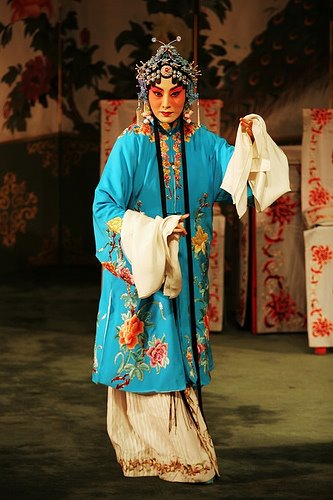
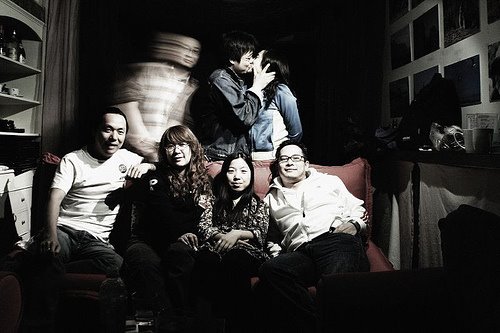
去时陌上花如锦,今朝楼头柳又青

老六 (http://pigu6.yculblog.com/)和王晓峰老师(www.wangxiaofeng.net)的互为表里,把北京糜烂的文人生活入木三分的表现出来,让人只有流口水的份儿。老六自己的《读库》是阳春白雪,而他对于京剧,具体地说是张火丁老师的痴迷,让所有的戏盲艳羡和嫉妒。具体地说,按摩乳说他可以忍受别人比他强,但是不能忍受别人比他贱。嘻嘻!他的《迷火记》,《济南行》,以及之前我转载的《关于毛片的记忆》,都是佳作。此处又转载她《济南行》的图片。张火丁老师的《锁麟囊》。
世界,人,思绪,一言以蔽之:乱!(北大未名)
拥抱真是个奇怪的东西,明明靠的那么近,却看不见彼此的脸……(转载请注明天涯社区开心乐园)
辛苦了大半辈子,终于在北京郊区买了套房子,交款那天我流着泪用颤抖的手掏出手机准备告诉家里人,谁知开机画面却显示:河北移动欢迎您……(水木社区)
亲爱的长腿叔叔,你睡了吗?
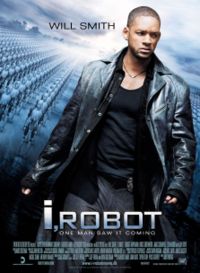
Today you mentioned Shunryu Suzuki's book , Zen Mind, Beginner's Mind, and I decided to read it once I have time. The last book from you, "Take a Step No Matter How Small: Yoga for Depression", I liked it very much. It is simple, but with lots of meanings.
You must have a good laugh when you saw I could not able to manage to do the "flying position", as I named it, in today's class. The good news was I felt really good when I did the shoulderstand, I felt steady and straight.
I am kind of very slow in learning, especially when I have to learn new sports. You help me with those "impossible positions" which I really appreciate, such as the headstand and upward facing dog post. Am I particually aweful in some positions, what makes you laugh when you see me in those uncomfortable twists?
You always make us laugh in class, that is dangeous for some positions! Your hands are always cold, but your elbows are warm, why? When you bent your leg backwards today, I can not help thinking you might be a robot rather than a human being, aren't you?
Holy Madness and Halloween Extravaganza

Once I visited the Rubin Museum of Art and encountered a very interesting exhibition, titled “Holy Madness”. The exhibition introduced several extraordinary saints in couple of Indian religions (including Buddhism and Bon-- Bon was the indigenous religion of Tibet that, when partly absorbed by the Buddhist traditions introduced from India in the 8th century, gave Tibetan Buddhism much of its distinctive character). Those individuals achieved enlightment through their uncommon behavior and personal philosophy—the mundane world is never of their concerns. In the western tradition, there is similar trace of thoughts. 从酒神迪奥尼索斯(Dionysus, the Thracian god of wine, represents not only the intoxicating power of wine, but also its social and beneficial influences. He is viewed as the promoter of civilization, a lawgiver, and lover of peace — as well as the patron deity of agriculture and the theater. He was also known as the Liberator (Eleutherios), freeing one from one's normal self, by madness, ecstasy, or wine) 到苏格拉底,对于尼采而言,神圣的癫狂和理性一样都是西方文明的底蕴。神圣的癫狂在历史和文学的传统中屡见不鲜。歌德的《浮士德》是对于情感最真挚的思考,也是对于理性狂迷的反思。比才的《卡门》,虽然在歌剧中是一出名剧,但是多数的批评如同对于梅里美原著的批评一样,偏重于对个人爱情悲剧的探讨,而忽略了神圣的癫狂在其中地体现。
《卡门》的故事情节简洁,人物性格看似非常鲜明,以下是维基百科全书的简单介绍:”Carmen is a French opera by Georges Bizet. The libretto was written by Meilhac and Halévy, based on the story of the same title by Prosper Mérimée. The story concerns the eponymous Carmen, a beautiful gypsy with a fiery temper. Not careful with her love, she is responsible for the downfall of many men. She woos the corporal Don José, leading him to mutiny against his superior. His infatuation causes him to join a band of smugglers, of which Carmen is a member. He is happy with Carmen for a brief period, but is driven to madness when she turns from him to the bullfighter Escamillo…… Because Bizet shied away from the traditional image of an operatic femme-fatale, Carmen became a difficult character to understand (or portray on stage). She is fatalistic and hedonistic, living entirely in the present moment. Her beauty unintentionally entraps men, who are then led to their downfall by their own misguided ideas of love. Carmen's character is best illustrated in the card-playing scene, in which she accepts the premonition of death as unavoidable” 。
《卡门》中的两个主人公各执一端,都是固执到了顶点。卡门信仰爱的自由和笃信命运之说,不肯为了生命而屈从于他人的意志。对于她而言,如果命运已经注定,那么她坦然接受死亡的安排,但是她拒绝接受违心的爱情。她对于爱和自由的执著已经近于癫狂的境地,她不能也不愿意接受任何的妥协。她的疯狂源于对于被禁锢的女性地位的恐惧、对于自由的渴望,以及对于爱情的极度渴望和不信任。一曲《爱情是只自由鸟》将她的性格刻画得入木三分,曲中唱到“爱情就像是个吉普赛孩子,他永远也学不会循规蹈矩”。以她的性格,大概也只有《弄臣》中的公爵可以匹配,此公也有歌云《善变的女人》(La Donna E Mobile)。唐何塞的疯狂不亚于卡门,他对于爱情的理解简单至极,爱情对他而言和军队无异,不过是服从和被服从的关系,只有忠诚和不忠诚两种选择。与其说他为了卡门,还不如说他为了自己的欲望,选择了背叛。他背叛了自己从前的爱人、母亲和家庭、军队和荣誉。而他却要求卡门绝对的忠诚,丝毫不能忍受被背叛的痛苦。他的癫狂来自于他极度的自私和占有欲,没有任何理性和感性的基础。他对于卡门的爱情,不如说是他对于自己对卡门爱情的爱情。他的癫狂是人类欲望的展开,是悲剧性的人性侧面,亦即所谓的欲壑难填。用张爱玲的话来讲,他对于米塞拉和卡门的选择不过是对于白玫瑰和红玫瑰的选择—如果选择了白玫瑰,日子久了,不过是衣物上干瘪的饭粒;如果选择了红玫瑰,日子久了,也不过是墙上的一滩蚊子血。但是,一旦他失去了选择的地位,变成了被动的一方,他就难以忍受了,愤怒了,杀人了。真真的没有一点儿意思。难怪朋友看完了《卡门》,长叹一声,感慨下辈子要做个男人,此言不虚!
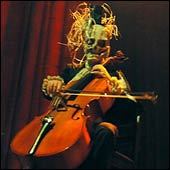
此前写过万圣节和马拉松是纽约的两副面孔,其实万圣节也是难得一年一次发疯的日子。早早赶到圣约翰大教堂买了夜场鬼片的票子,揣在怀里,好像冬天捧着烤白薯,觉得四肢百骸无不舒服。6点半到场的时候,银幕前的观众席早已座无虚席,大大小小的孩子和父母们挤满了教堂。由于正在进行修建,整个教堂的大厅被分为了两半,银幕在教堂原先正中的位置,观众们则聚集在祭坛这半边教堂。早先也到圣约翰堂来参观过,但是多是白天来或者圣诞节来,光线明亮,充满了祥和的气氛。但是今夜的圣约翰弥漫着森森的鬼气,整个教堂的照明光线都是红色的,银幕上是狰狞地笑着的南瓜头,教堂的天顶上是一轮新月,下面飘荡着几个新鬼的剪影。到处都是蜡烛,除了祭坛和献弥撒的供桌上,地面和楼梯上也都是盈盈的烛光。尤其是祭坛的信众席两侧和祭坛上,一层一层的红色蜡烛,和血色的灯光混合在一起,产生了一种诡异的美。我们选了合唱队的位置坐下,我们的头顶上就是巨大的管风琴。一个大提琴手戴着鬼面具,坐在悠悠的烛光之下,以神秘的节奏将观众引入梦境。
血色笼罩的祭坛上,管风琴突然发出巨大的颤音,演出开始了。管风琴的演奏者是著名的音乐家Ralph Lee, 所以整场演出就以他的名字命名。他用音乐为默片伴奏,呈现出老恐怖片最好的效果。今晚演出的电影是1922年的Nosferatu (F. W. Murnau's Nosferatu (1922), the earliest important screen adaptation of Bram Stoker's 1897 novel Dracula. Murnau's version of the story is an allegorical tale about a love triangle formed by a young married couple and a vampire. The movie isn't scary in a panic-inducing sort of way, but it is eerie, unsettling, and haunting)。这个电影现在看起来更像是一部搞笑片,因为其中的恐怖情节在现在的观众眼里有点太小儿科了。有趣的是,因为好久没看过无声电影了,所以觉得好像在阅读一部电影而不是看电影。荧幕上过于舞台化的表演没有让人觉得做作,反而增添了幽默的元素。好人就是好人,魔鬼就是魔鬼,一清二楚,明明白白。与现在电影含混、模糊、复杂而不知所云的风格相比,1922 年的导演和演员们真是天使。
最令我诧异的管风琴能表现出如此丰富的内容和情感。Lee 不仅随着情节的展开,用不同的旋律来描述主人公的情感和反映,而且善于营造由于语言的缺失电影所缺少的气氛。虽然没有色彩和语言,我不仅没觉得影片缺少了任何东西,相反地,音乐带来了意想不到的充实感觉。管风琴善于演奏幻想曲(fantacy)和回旋曲,影片一开始,新婚夫妇二人的甜蜜世界就从连绵不绝的乐音中铺展开来。随着故事的展开,音乐开始变得阴暗和寒冷。我转过头,凝视着血红色的祭坛,天空一样高的穹顶,若隐若现的吊灯的微光,一切都真实的像梦境一样。管风琴发出的巨大声音在空气中震动着,我甚至能感到背后墙面的振颤。巨大的悲悯和恐惧通过乐音送入每个观看者的耳和心,带给人难以置信地感动和眩晕。是的,简直就是眩晕的感觉。好像不是你在倾听管风琴的演奏,而是有人把你至于管风琴巨大的音箱当中,让你随着乐器的振颤而振颤,让你的头脑陷入了神圣的癫狂状态当中。电影中年轻的妻子再也无法忍受吸血鬼的诱惑,从床上爬起来,要求丈夫向教授求援。她的丈夫走后,吸血鬼到来了,一瞬间观众们如释重负。随着雄鸡的啼鸣,吸血鬼因为吸食了这个纯洁女人的鲜血而死去。有点过于简单的结局,索性导演没有过于的煽情。电影结束了。
随着银幕暗淡下来,银幕下的舞台逐渐从黑暗中显现出来。红色的背景在逐渐升起的液氮雾气中,隐约可见。雾气渐浓,从幕后闪出来一个接一个的大鬼小鬼。最前面的好像是个牛魔王,盯着红色的犄角,打扮得和梅菲斯特一般无二,只是缺少那条著名的尾巴。随后倾巢而出的小鬼儿,各有来头。一时之间,从舞台上走下来你的恶梦中的种种人物。他们或蹦或跳,各显神通,对过道两边的孩子们极尽恐吓之能事。有的鬼怪身材及其高大,有的又矮小的像是孩子,有的丑陋,有的滑稽,有的身披轻纱婆娑起舞,有的足登高跷蹒跚而行。最妙的是一个蹬着婴儿面具的小丑,她步伐轻盈,但是总是装出醺醺的醉态,好像随时要摔倒的样子。西方的小鬼们虽丑,但是却不像我们的那么吓人,多是介于滑稽和恐怖中间的样子。所谓的Extravaganza,就是他们的游行和狂欢。疯狂的孩子们早被他们调动的兴奋异常,时刻准备着尖叫和开怀大笑。大人们要拿着手机对着游行的队伍拍照,又要把孩子揽在怀里,防止他们去野蛮地扯下魔鬼的大鼻子,简直不知如何措手足。管风琴发出类似于大笑和嚎叫的声音,乐音在穹顶上回响。我最喜欢的是在游行队伍最后的一个小丑,他孤独地挥舞着一根长长的杆子,杆子的头上系着长长的黑色丝带,上面绘制着蛇的骨骼。他是如此写意地挥舞着长杆,仿佛在世界的尽头呼唤着爱。那黑色的丝带还像是黑色的蛇在血色的空中游走,拨开白色的烟雾,把人的注意力带到不知名的彼岸。那黑色的线条割开了时间和空间,割开了人鬼的界限,一切的过往都消失了,我们仿佛都变成了卡门,那个只活在当下(dasein)的灵魂。那黑色的身影逐渐向祭坛的后面退去,只余下我们在这神的殿堂里,在生死界之间徘徊。在神的殿堂里演出魔鬼的戏剧,大概是西方文化中独一无二的幽默。这种参透生死执著的表演所表达的,就是神圣的癫狂。在这癫狂当中,人看到生的短暂,死亡的欢乐,也就因此变得无所畏惧,感到神充满了他的灵魂。现代人,我们这些只活在当下的人,既缺少对于生的敬意,也缺少对于死亡的畏惧,由是也就丧失了体悟那神圣癫狂的机会。只有在万圣节降临,夜幕四合,灵魂出壳的当儿,我们才走进神那陌生的殿堂,在无声的银幕前坐下,抚摸我们粗糙的灵魂和肉体。临了,人们走出剧场时的那一声叹息,在十月末的夜风中,怎么听起来都觉得凄凉。也罢,命运自有安排啊!
2006年10月27日星期五
Gilda or Anna
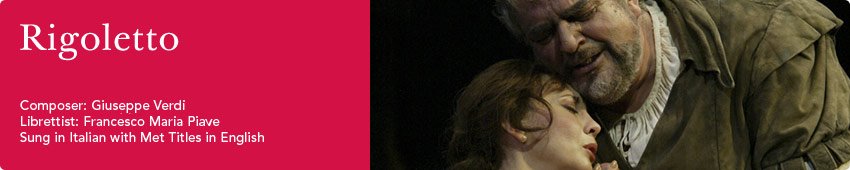 This season, Met Opera has a new production of Rigoletto and I went yesterday for its season premier. Met is famous for Enrico Caruso’s version of Rigoletto where he played the Duke of Mantua. In this season, Met introduces a new conductor Friedrich Haider and Juan Pons plays the Jester and Joseph Calleja has his debute as the Duke. As usual, the splendid night at Met always makes me nervous. However, I am luck enough to have two queers as my neighbors and their non-stopping talking made the intermissions bearable. Yesterday New Jersey court just announced same-sex couple would enjoy the same right as hetero-sex couple, and CNN took it as breaking news. This was certainly a side point.
I had some ideas about the storyline and the program notes gave detailed description of the production of the original opera. The story by Verdi was adopted from Victor Hugo’s play. As it was suggested, Verdi was more of a humanistic in nature while Hugo openly criticized the class structure. So Verdi’s adaptation changed the location and names of the play, but kept the major storyline and the core theme of the play—the curse upon the jester, who was cold and cruel outside but very compassionate inside.
According to wikipedia:
“ Rigoletto is an opera in three acts by Giuseppe Verdi. The Italian libretto was written by Francesco Maria Piave based on the play Le roi s'amuse by Victor Hugo. It was first performed at La Fenice in Venice on March 11, 1851. According to Opera America, Rigoletto is now North America's ninth most performed opera.”
A hit from start, Rigoletto was a tragedy full of tension. The double role of Rigoletto as a loving father and as a “fool” in the court gradually leads to his ruins. The Duke is portrayed as a womanizer who never takes women or love seriously. However, in the very process of pursuing Gilda, Rigoletto’s beautiful daughter, he finds his real compassion. Once he finds Gilda is abducted from Rigoletto’s house, he regrets he lose the only chance in his life that might have convert him into a honest man for love. Ekaterina Siurina gave a wonderful performance as Gilda, the innocent mind full of love. The structure of the play is simple, a story of a dishonored father who seeks just revenge but fails. However, Verdi and Piave (who wrote the libretto) refused to give their figures a simple identity but rather put them into dilemma—who were both victims and criminals. Rigoletto participated the Duke’s conspiracy of wooing other women and his own daughter was disgraced by the Duke. The Duke could have the chance to start a meaningful life because of his love for Gilda, however, he gave it up for his lust for her body. Gilda was guilty of blind love for the Duke and was suffered when she observed the Duke seduced Maddalena.
The trick of the play is not only the curse of Count Monterone whose daughter the Duke had dishonoured, but also the issue of identity. Gilda constantly asked her father about the real family name and history of her family, about her mother, and who her father really was. Rigoletto refused to answer and could not answer. He was suffering because of his fate as a humpback and a ruthless entertainer in Duke’s court. He was a man without name. The Duke who disguised himself before Gilda was also a man without real identity. He flirted and chased the skirts without knowing his own purpose. His love was shallow and superficial because his love was without a cause.
In the end of the play, Gilda decided to sacrificed herself for the life of the Duke, her lover. Rigoletto could not bear the pain of losing his daughter and lamented “the curse!” by her body. I can not help thinking about another movie, Immortality, directed by Po-Chih Leong. In the film, Jude Law played a ruthless vampire who took women’s love and life. He falled in love with Anna and he believed her perfect love for him would save him from the fate of vampire. The most touching scene for me was the morning after they get up, Steven (jude law) started a portrait for Anne with one hand and wrote a love poetry for her with other hand. Nevertheless, when the moment of truth came, Steven decided to kill Anne to save his own life. Anne refused to sacrifice herself for his sake and she tried to kill herself rather than being killed by Steven. Steven gave it up in the end and died in his own chamber. Before he died, he finally found peace in his mind and he did not have to worry about how to survive anymore. In his last breathe, he found the pleasure of letting go.
Gilda and Anne make different choice and the men they loved are evil. Maybe it is because the time is changed and our values change as well. Will you choose to play Gilda or Anne when you meet your evil man?
This season, Met Opera has a new production of Rigoletto and I went yesterday for its season premier. Met is famous for Enrico Caruso’s version of Rigoletto where he played the Duke of Mantua. In this season, Met introduces a new conductor Friedrich Haider and Juan Pons plays the Jester and Joseph Calleja has his debute as the Duke. As usual, the splendid night at Met always makes me nervous. However, I am luck enough to have two queers as my neighbors and their non-stopping talking made the intermissions bearable. Yesterday New Jersey court just announced same-sex couple would enjoy the same right as hetero-sex couple, and CNN took it as breaking news. This was certainly a side point.
I had some ideas about the storyline and the program notes gave detailed description of the production of the original opera. The story by Verdi was adopted from Victor Hugo’s play. As it was suggested, Verdi was more of a humanistic in nature while Hugo openly criticized the class structure. So Verdi’s adaptation changed the location and names of the play, but kept the major storyline and the core theme of the play—the curse upon the jester, who was cold and cruel outside but very compassionate inside.
According to wikipedia:
“ Rigoletto is an opera in three acts by Giuseppe Verdi. The Italian libretto was written by Francesco Maria Piave based on the play Le roi s'amuse by Victor Hugo. It was first performed at La Fenice in Venice on March 11, 1851. According to Opera America, Rigoletto is now North America's ninth most performed opera.”
A hit from start, Rigoletto was a tragedy full of tension. The double role of Rigoletto as a loving father and as a “fool” in the court gradually leads to his ruins. The Duke is portrayed as a womanizer who never takes women or love seriously. However, in the very process of pursuing Gilda, Rigoletto’s beautiful daughter, he finds his real compassion. Once he finds Gilda is abducted from Rigoletto’s house, he regrets he lose the only chance in his life that might have convert him into a honest man for love. Ekaterina Siurina gave a wonderful performance as Gilda, the innocent mind full of love. The structure of the play is simple, a story of a dishonored father who seeks just revenge but fails. However, Verdi and Piave (who wrote the libretto) refused to give their figures a simple identity but rather put them into dilemma—who were both victims and criminals. Rigoletto participated the Duke’s conspiracy of wooing other women and his own daughter was disgraced by the Duke. The Duke could have the chance to start a meaningful life because of his love for Gilda, however, he gave it up for his lust for her body. Gilda was guilty of blind love for the Duke and was suffered when she observed the Duke seduced Maddalena.
The trick of the play is not only the curse of Count Monterone whose daughter the Duke had dishonoured, but also the issue of identity. Gilda constantly asked her father about the real family name and history of her family, about her mother, and who her father really was. Rigoletto refused to answer and could not answer. He was suffering because of his fate as a humpback and a ruthless entertainer in Duke’s court. He was a man without name. The Duke who disguised himself before Gilda was also a man without real identity. He flirted and chased the skirts without knowing his own purpose. His love was shallow and superficial because his love was without a cause.
In the end of the play, Gilda decided to sacrificed herself for the life of the Duke, her lover. Rigoletto could not bear the pain of losing his daughter and lamented “the curse!” by her body. I can not help thinking about another movie, Immortality, directed by Po-Chih Leong. In the film, Jude Law played a ruthless vampire who took women’s love and life. He falled in love with Anna and he believed her perfect love for him would save him from the fate of vampire. The most touching scene for me was the morning after they get up, Steven (jude law) started a portrait for Anne with one hand and wrote a love poetry for her with other hand. Nevertheless, when the moment of truth came, Steven decided to kill Anne to save his own life. Anne refused to sacrifice herself for his sake and she tried to kill herself rather than being killed by Steven. Steven gave it up in the end and died in his own chamber. Before he died, he finally found peace in his mind and he did not have to worry about how to survive anymore. In his last breathe, he found the pleasure of letting go.
Gilda and Anne make different choice and the men they loved are evil. Maybe it is because the time is changed and our values change as well. Will you choose to play Gilda or Anne when you meet your evil man?
2006年10月25日星期三
Match Point
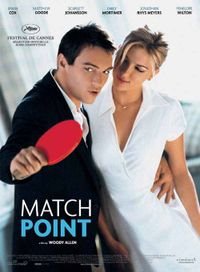
Wikipedia introduction about Match Point (2005, Woody Allan)
"The story is a fable about the role that luck plays in determining everyone's destiny. As protagonist Chris Wilton notes in an opening voice-over: The man who said "I'd rather be lucky than good" saw deeply into life. People are afraid to face how great a part of life is dependent on luck. It's scary to think so much is out of one's control. There are moments in a match when the ball hits the top of the net and for a split second it can either go forward or fall back. With a little luck it goes forward and you win. Or maybe it doesn't and you lose.
Structural and thematic similarities exist between the movie and two novels, Dreiser's An American Tragedy and Dostoevsky's Crime and Punishment. The movie also bears notable similarities in plot and theme to a previous movie of Allen's, Crimes and Misdemeanors. Perhaps the most influence stems from the 1964 Truffaut film The Soft Skin, in which a married man also has an affair that ends up in shotgun related murder.
The film's plot mirrors the novel An American Tragedy and the film A Place in the Sun, which also involve a poor man who, through the possibility of marriage to a wealthy woman, resorts to murdering a poor pregnant girlfriend in order to preserve his chances at a new life of wealth and privilege.
Opera connoisseurs have noted that the arias and opera extracts make an ironic commentary on the actions of the characters and sometimes foreshadow developments in the movie's narrative. The Caruso arias are intercut with extracts from contemporary performances which the characters attend over the course of the film. There are scenes at the Royal Opera House and elsewhere performed by opera singers, accompanied by a piano and not, as is usual, by an orchestra. Arias and extracts include work by Verdi (in particular Otello and Rigoletto), Donizetti's L'elisir d'amore, Bizet's Les pêcheurs de perles, Carlos Gomes' Salvatore Rosa and Gioachino Rossini's Guillaume Tell. "
If I only allow to use three words to describe this film, they will be: luck, lust and lost. It is a typical Woody Allan film, although it immediately reminds me about Montgomery Clift's A Place in the Sun (1955). I love Montgomery Clift's performance in that classic tragedy of social climber: he played a role tortured by ambition and tried to find aim of his life. Clift himself is a tragic figure in his off-screen life and his life had been described as a life-long pursuing of suicide. The darkside of his mind made him a perfect actor. In comparision, Jonathan Rhys-Meyers is a different type of actor. He wins his fame as independent film actor early in his life and his unforgettable role in Velvet Goldmine (1998) makes him a symble of fatal pop star. He also acts in some not decent films, such as Mission Impossible III. He is not afraid to show his sensitivity and vulnerable in moives, but his weakness makes him a more convincing character.
Match Point resembles the Closer in some respect. In both films, individuals try to find relationship which could satisfy both their body and mind and fail both ways. In Closer, Jude Law played this sick writer who could have win his true love but took a shortcut and ruined the whole thing. In Match Point, Chris (by Jonathan Rhys-Meyers) would have the option of not marrying Cholye and choose Noah, but he could not afford to lose the quality of life his marriage to Cholye conveyed. What differs in the two films is that in Closer, the film investigates the minds of males and females in the relationship; but in Match Point, we only observe Chris's mind. On the surface, the film emphasizes the importance of luck in individual's life; but the underlying theme is the unavoidable lust which pushes people ahead.
2006年10月23日星期一
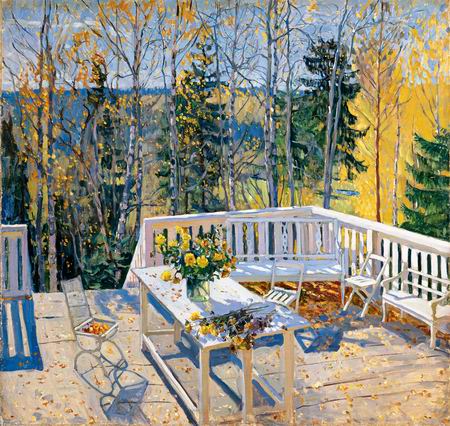
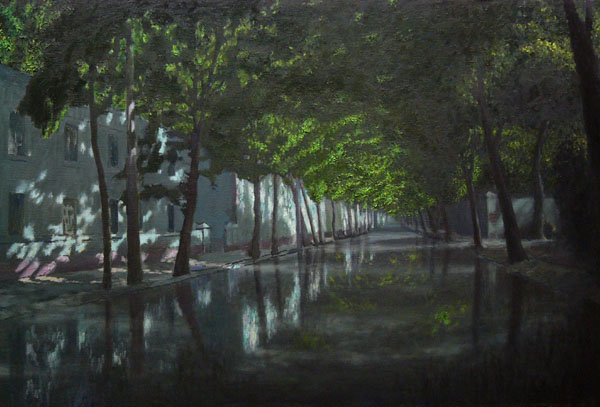
一生做一次孤儿--艾柯
那些生活在幸福和爱中的人们常常抱怨,他们得不到任何爱,于是他们反抗,他们出走,因为他们从来就没有失去过爱。
一无所有后才会无所不有,失去后才会珍惜所有,学会施与才懂得感恩,这是我在《长腿叔叔》中所读到的更多的东西。
每个女孩子在看了《长腿叔叔》后都希望自己自己变成一个孤儿,羡慕那种无拘无束和自由放任的生活,幻想着也能够遇到自己的白马王子——长腿叔叔。而我想告诉大家的是,生活需要奇迹,而最大的奇迹就是你自己。
给你爱的人和爱你的人亲笔写封信,无论他们远在天涯还是近在咫尺——如果能做到这一点,也就达到了我们出版这本书信体小说的目的了。
长腿叔叔
昨晚你睡了吗?我没有,一夜没有合眼。我太惊喜,太兴奋又太糊涂了。我想我再也睡不着了,再也吃不下饭了。不过我希望你要睡觉,你得睡,这样你才能快些好起来,来到我身边。
亲爱的人,一想到你病得如此严重,就让我心痛——而我在这之前却毫不知情。昨天医生送我下楼上车时,告诉我3天来他们几乎放弃希望了。喔,我最亲爱的,真是如此,对我而言这世界的希望也都将随你而去。我想将来的某一天——在遥远的未来——我们其中一人必须先行离去,不过至少已经幸福地生活在一起过了,会有许多值得回忆的东西。
我想要让你高兴起来——首先必须先让我自己高兴起来。尽管我比做梦都还要快乐,但我也更清醒了。害怕出什么事情,这个念头如同阴影一般笼罩在我的心头。以前我无牵无挂,对什么都满不在乎,因为没有什么东西可以失去。可是从今以后,我将无休止地担心。只要你一离开我身边,我就会想到汽车可能会撞到你,招牌可能会掉下来砸到你的头。我的心将永不得安宁——不过,我一点也不太在乎平静的安宁。
请快点好起来,快点,再快点。我要你紧靠在我身边,我可以触摸到你,确信你是真实的。我们在一起只有短短的半小时啊!我深怕我是在做梦。如果我是你家族的一员该多好,这样我就可以天天去看你,念书给你听,为你理好靠枕,抚平你那两条额纹,笑得露出嘴角。你现在情绪好些了吗?昨天我走的时候你情绪很好,医生说我一定是个好护士,你看起来一下子年轻了10岁。恋爱可不要让每个人都年轻10岁。如果我变成只有11岁,你还在乎我吗?
昨天是我一生最美妙的一天。即使我活到99岁,我也忘不了那一个个细节。清晨离开洛克威洛的那个女孩子与晚上回来的判若两人。山普太太4点半时叫我起床,我在黑暗中惊醒,第一个闪入我脑中的念头是:“我要去见长腿叔叔!”我借着厨房里的烛光吃过早餐,然后穿过10月最壮观的景色,坐着马车走了5里路到火车站。我看着太阳冉冉升起,枫树和山花鲜红橙黄一片,空气清新、干净并充满希望。我知道有好事正等着我。一路上,轮子不断唱着:“你就要见到长腿叔叔了。”这让我有一种安全感。我对叔叔的处事能力有信心。我也知道,在某处有另一位男人——比长腿叔叔更亲爱的——正等着要见我,我预感到这次一定能见到他。结果,你瞧!
我抵达麦迪逊大街,高大的棕色房子令人生畏。我不敢贸然走进去,徘徊了很久才鼓起勇气。其实我根本不用怕,你的秘书是这么好的一个人,让我有宾至如归的感觉。“是艾伯特小姐吗?”他问我。我回答说:“是的。”我根本不用提史密斯先生。他让我在客厅等候。这是一间庄严、华丽的富有男人气息的房子。我坐在一张舒服的大椅子上,不断对自己说:“我要见到长腿叔叔了!我要见到长腿叔叔了!”
不一会儿,秘书回来请我到书房去。我激动得双脚真的都快不听使唤了。在书房门口,他回头低声地说:“小姐,他病得很严重。医生今天才同意他下床。请不要停留太久,使他过于激动。”从他说话的样子就知道他很爱你——我因此也对他产生了好感。
他敲了门并说:“艾伯特小姐来了。”然后我走进去,门在我身后带上了。
从明亮的走廊走进暗淡的书房,一时间我什么东西也看不见。慢慢地我看见壁炉前有张大的安乐椅。我看出来有个人坐在大椅子里,周围满是靠枕,膝上有一张毯子。我还来不及阻止他,他已经站起来了——有点颤抖——看着我不发一语。然后……然后……我看到那是你啊!不过就算这样我还是不明白。我以为是长腿叔叔让你来那儿见我,好给我个惊喜。
你笑着伸出手,说道:“亲爱的小茱蒂,你猜不到我就是长腿叔叔吗?”
这想法一瞬间掠过我脑海。喔,我多么笨呀!有100件小事可能都告诉了我,如果我够聪明的话。我做不了好警探。是吗?叔叔——杰维?我该怎么称呼你?只是叫杰维显得一点都不尊敬,我应该对你表示敬意的。
我们度过了非常甜蜜的半个小时,医生来把我赶走了。我恍恍惚惚抵达车站时,差点搭上往圣路易斯的火车。而你也激动得忘了请我喝茶。但我们都非常非常快乐,不是吗?我摸黑驾车回到洛克威洛——喔,天上星光闪烁!今早我带着柯林斯走遍所有我们一起去过的地方,而且记得你说的话,当时的情形。今天树林呈现出一片青铜色,空气冷冽清新,是登山的好天气。我真希望你在这儿陪我爬山。我想你想得不得了,亲爱的杰维。这种思念是愉快的,我们会很快就能在一起了。此刻我们心已相属,真真实实地!我终究有了归属,这有点奇怪吧?这似乎是一种非常非常甜蜜的感觉。
我今后将不让你有片刻的伤心。
你永远并始终如一的
莱蒂
星期四早晨
又及:
这是我写的第一封情书。我不晓得它是不是很好笑?
2006年10月22日星期日
Shopping for good news

I never try extensive shopping for 6 hours. Jingqin told me the best part was enjoying the fun of shopping and buying nothing. We spent hours in T.J. Max and tried to find the perfect bags for the coming winter. The fashion trend for this winter was red bag, so we dived into the sea of red bags. Once we were officially exhausted and ready to check out, we found the checkout line was a mile long. So we put down our bags and left, taking the fun part with us.
When we went over old CDs in the flea market, she confessed she might find the Mr. Right under my interegation. I was so happy for her (and in fact I can not help calling my mom this great news) and she really deserved a good guy. In the crowed subway train back home, I could not help teasing her that there was at least one good thing about that guy: he has the ability to appreciate her and keeps her good company with jokes and sincerity . She laughed. I guess for her, there will be a sweet November in San Francisco.
Good luck, my dear friend!
Come Back
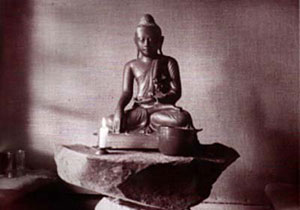
To catch the Zen lecture at Temple of Enlightment, I got up at 7:30am yesterday and took the train to Bronx. I bathed in the morning sun light and felt delighted. The temple was more like a Yoga classroom, plain and spacious. Before the meditation began, I went to the kitchen with Charlie and helped others with cooking. The meditation part was physically stressful for me. The length of each session is about an hour, and we had to keep the correct position. The lights were turned down and it was very quiet. The temptation of going to sleep was very strong. In theory, one should not think about other matters but concentrate on pursuing enlightment. But there were many things on my mind and I can not help jumping from issues to issues. After the first meditation session, the teacher (from Taiwan) started to talk about the arrangement of the 10 days Zen leture. Then he began to teach how to seat to avoid pain, how to position yourself so that you can easily focus on meditation, and what was meant to cut off your six senses. He had a lengthy discussion about being alive and being dead, and he was a very articulated teacher who can embed the buddism teaching in personal stories and jokes. Because I have no previous exposure to Zen and its canons, it was kind of difficult for me to follow his every word. After the lecture, it was another hour of meditation and the teacher walked around with his wooden sword to catch lossy students who falled into sleep or wandering their minds.
I left after the second meditation session to meet my yoga teacher at gym. I told Hugh I felt depressed recently and asked about how to deal with it with some yoga excercise. Hugh brought me a little illustrated book by his teacher, about some short sequences of yoga positions to handling three types of depressions. He showed me some positions and then he asked why I felt depressed. So I told him the story and my current situation. He thought for a while and started to recall his personal experience of being depressed and how yoga could help. He said yoga would not take you away from your troubles, but to let you feel strong enough to handle them. Different people have different reactions to various posts and I should practice different sequences to find the appropriate way to release my pressure. He said I should be sensitive to my body and feelings and overcome those destructive behaviors, such as watching TV all the time which I did. I felt kind of embarrasing to talk about my personal concerns initially, but much relaxed afterwards. Hugh said when one was in trouble, it was good to talk with friends and consider other options. I agree with that, but the fact that I can not do anything in my current situation makes me very sad.
In fact, Hugh's suggestions are similiar to what I got from Dr. Flaxaman the day before. I went to talk to him about my situation and asked about university procedures. He listened to me very carefully, and wrote down my narratives, and asked many important questions. He thought I was overwhelminly intimidated by the situation and was blind to many of my talking points and options. In fact, he thought my advisor had indeed gave me the solutions, to some extent. Given the situation, the best and only option for me at the moment was to wait.
I was so obsessed with my own troubles and forgot to take care of my friends. Actually I feel grateful that many of them take their time to talk with me. I have got used to call Liang and Sis every time I am in hot water, and I count on them as professional and rational support. To talk with Yan, she always gives me some personal insights about the issue and let me know I am not the only person who suffer in the world. David trusts me and tells me his opinion from faculty's perspective. Jingqin and Allan call me to send their carings. Fang and her mom hosted me when I were very much depressed and falled into illness. Charlie who wishes to save me with Zen teaching gives me the opportunity to know many wonderful people. And Hugh, sent me the little book with the following poetry on the cover:
This being human is a guest house,
Every morning a new arrival;
A joy, a depression, a meanness,
some momentary awareness comes,
as unexpected guest;
Welcome and entertain them all,
even if they are crowds of sorrows,
who violently sweep your home,
empty of its funitures;
Still, treat each guest honorably,
for he may be clearing you out some new delight;
The dark thought, the shame, the malice,
Meeting them at the door laughing and invite them in;
For whatever comes,
they come as a guide from the beyond.
订阅:
博文 (Atom)